
I spent a lot of time on lodge websites as a guest before I ever built one. When I’m planning a trip, I’m not looking for a pretty homepage. I’m looking for reasons to send an email, and I’m looking just as hard for reasons not to. Most lodge sites give me more of the second.
A lodge trip is a big decision. It’s a week of vacation, a flight, and usually a group text where somebody has to sell it to everybody else. The person paying the deposit has never been there, and a lot of them have been burned by a lodge that didn’t match its photos. They’ll read every page before they reach out, and they’re reading two or three other lodges on the same water at the same time. Your site doesn’t need to win the trip on its own. It needs to win the email.
Here’s what I build into every lodge site so that happens.
Lead with the water, not the rooms
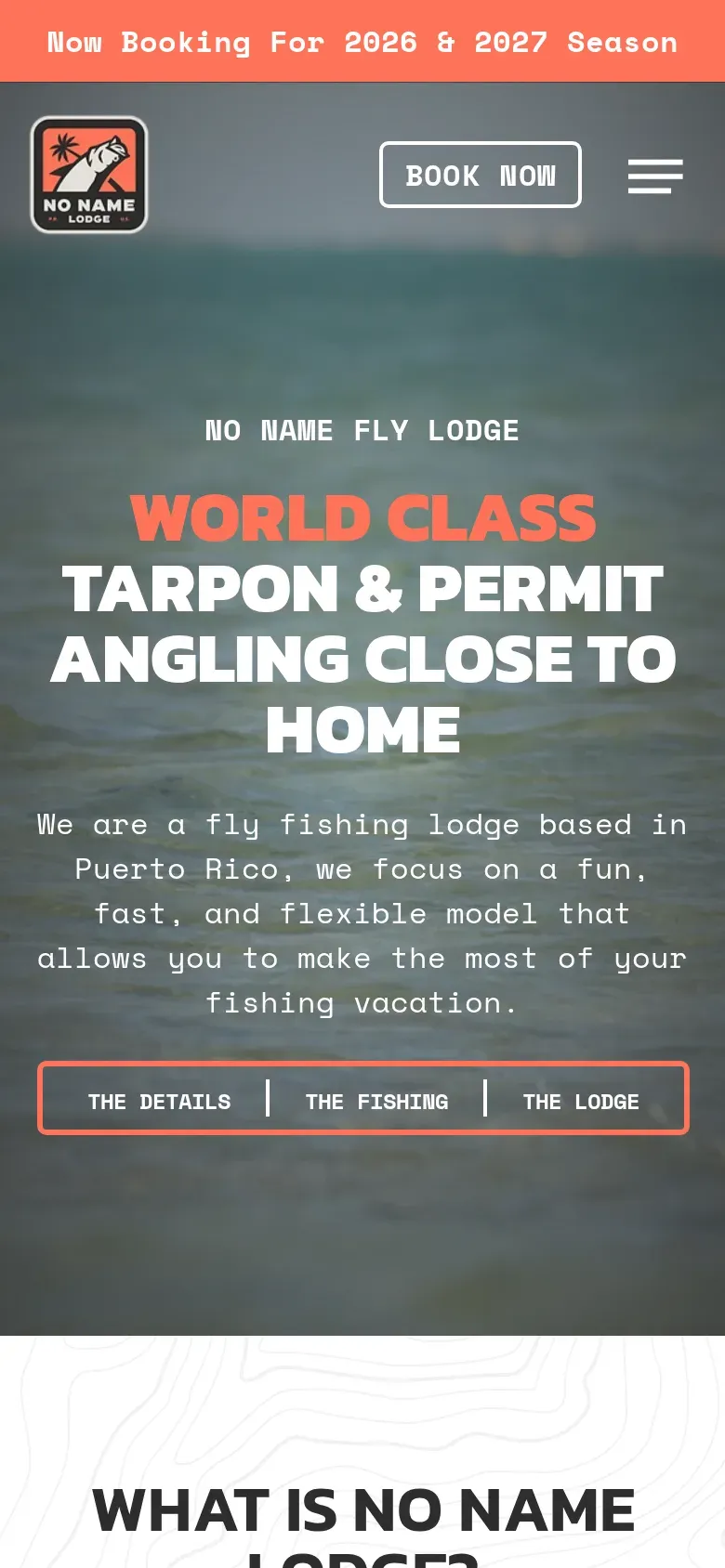
Guests book the fishing first and the lodge second. The homepage should tell an angler in a few seconds where you are, what you fish for and what kind of fishing it is. Wading flats for permit is a different trip from poling a skiff for tarpon, and the angler needs to know which one they’re signing up for.
On No Name Fly Lodge we split the story into three pages: The Fishery, The Fish and The Fishing. Each page answers one question well: where it is, what lives there and what a day actually looks like. Specifics win here. Flats, tides, months and fly patterns tell a serious angler you’re the real thing. Vague copy tells them you’re not.
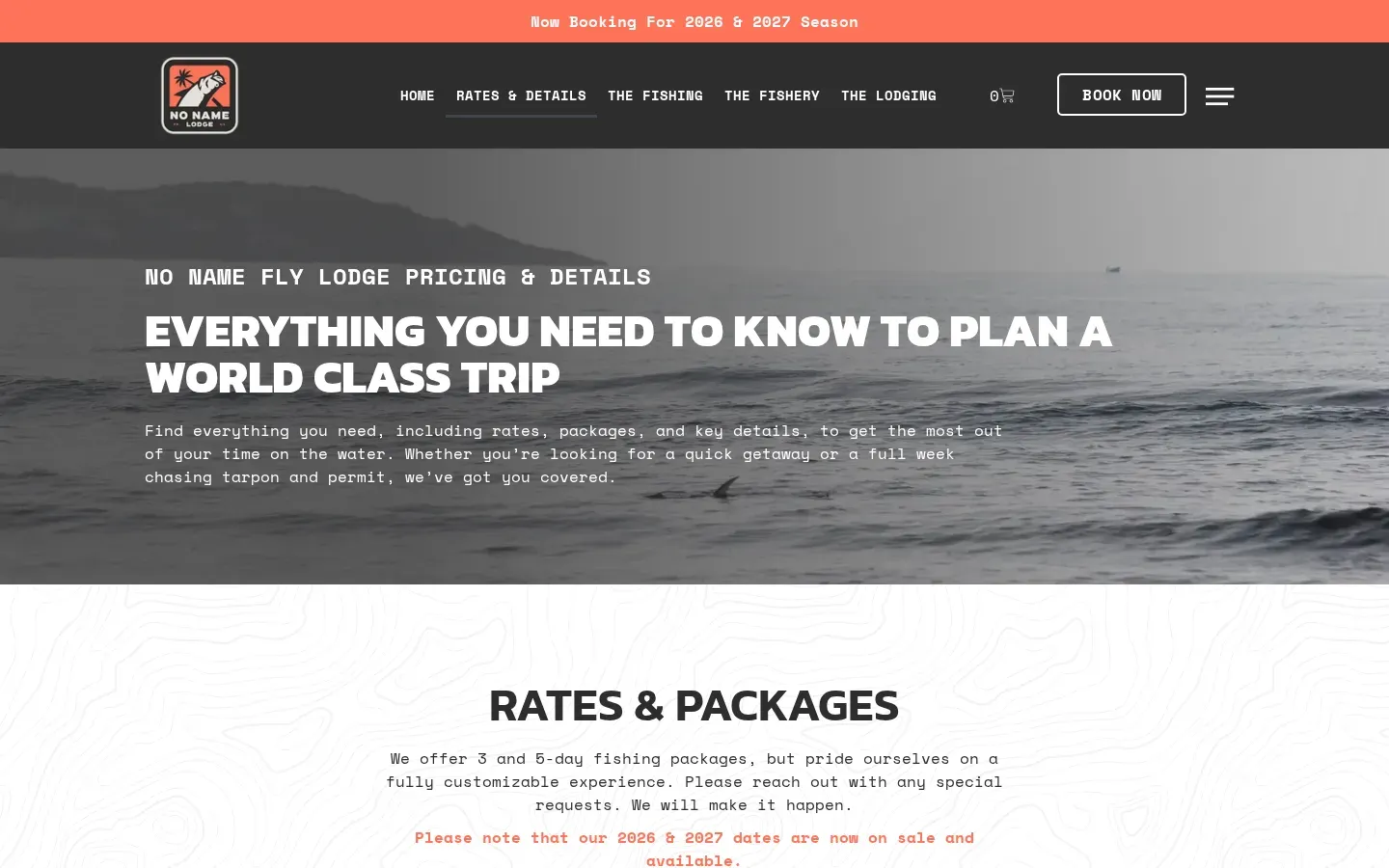
Put your rates on the site
This is the one I push hardest on. If an angler can’t find a price, they assume you’re out of their range, or they email just to ask. That “just asking” email almost never turns into a trip. It’s a shopper, not a planner.
Put rates in the main navigation and lay them out plainly:
- Packages: nights, fishing days and guides per angler
- What’s included and what isn’t: flights, tips, licenses, flies, alcohol
- Deposits and cancellation terms in plain words
Clear rates do two jobs. They qualify people before they write to you, and they give the trip organizer something to screenshot and send to the group.
Answer “when should I come?”
Every lodge gets this question, so answer it on its own page. Lay out what fishes best in which months, what the weather and wind tend to do, and what that means for the angler. A seasons page is one of the most useful pages a lodge can have, and most lodges bury it or skip it. It’s also the page that gets people picking dates, which is one step from asking about them. A guest who picks the right week has a better trip, and a better trip is the one that rebooks.
Make getting there feel easy
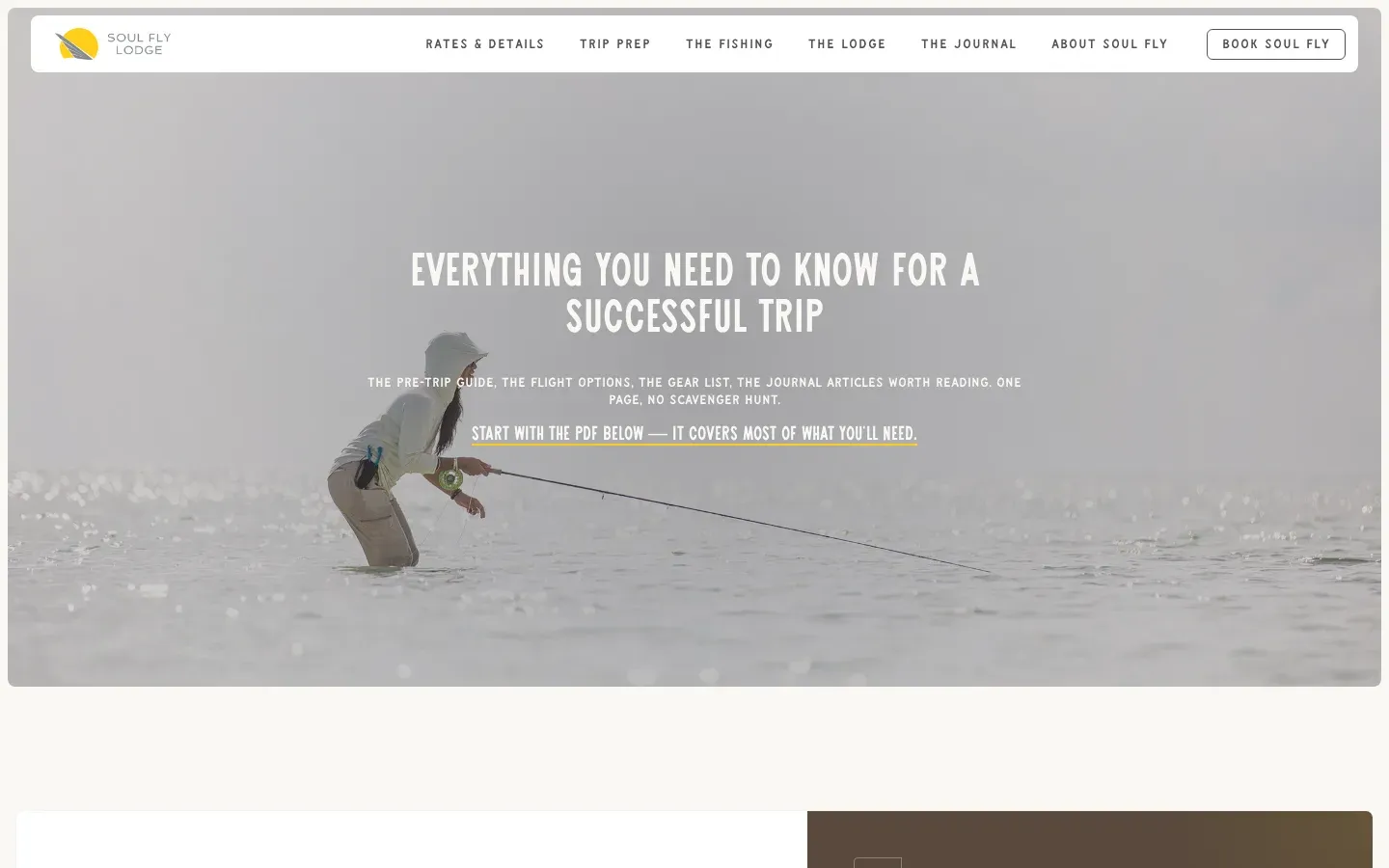
For a destination lodge, travel is half the worry, especially for someone who has never fished abroad. A trip prep page covering flights, transfers, licenses, what to pack and what gear to bring saves you a pile of repeat emails per guest. It also makes a first timer feel ready, and feeling ready is a big part of hitting send.
Soul Fly Lodge has a trip preparations page that puts travel, gear and what to expect in one place. Anglers stop guessing and start planning.
Show the lodge and the people
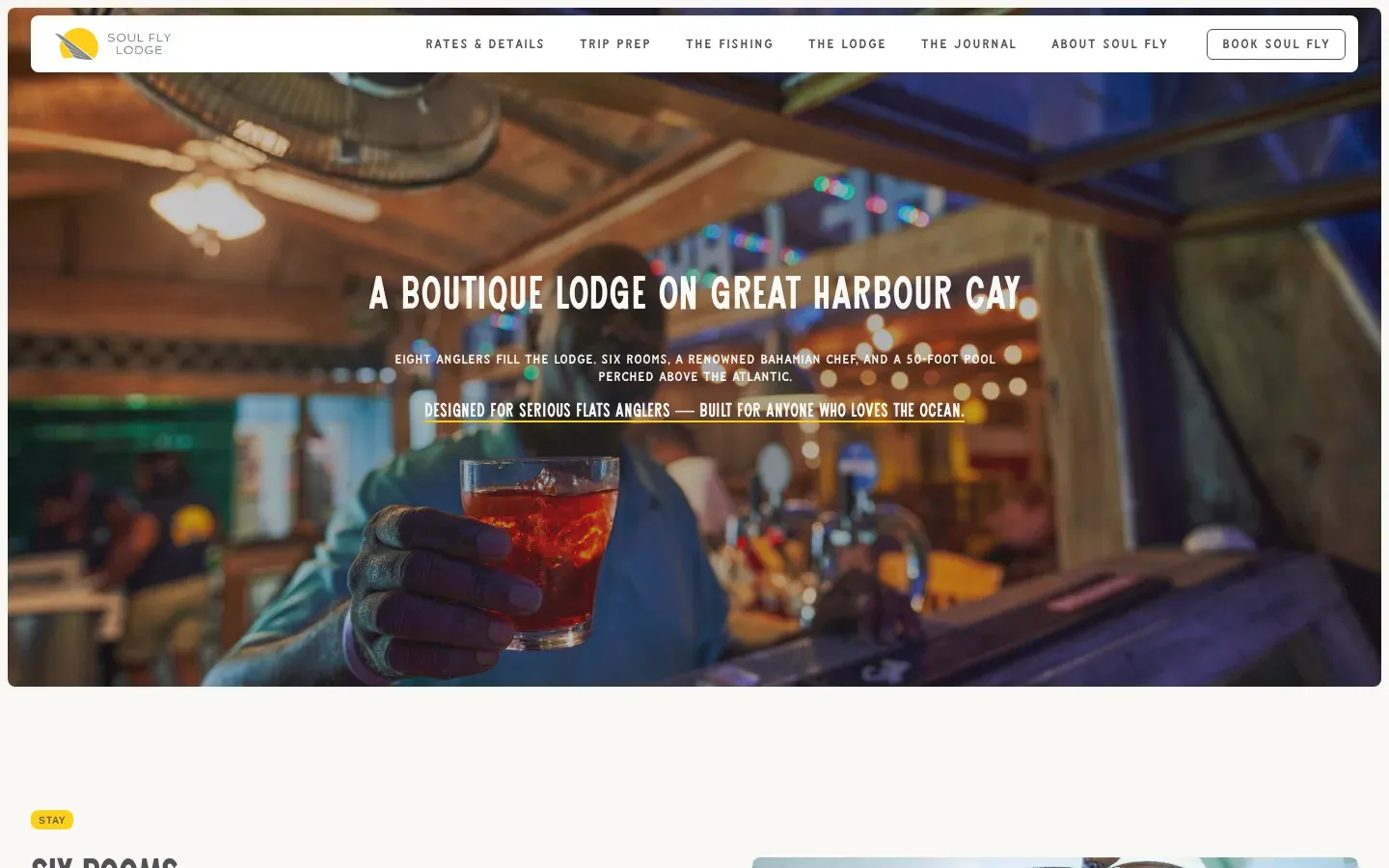
Guests are paying for the whole trip, not just the hours on the water. Show the rooms, the food, the common spaces, the dock and the boats. Then show who they’ll fish with: guide names, faces and years on this water. People book people, and a guide bio answers the question every angler has but rarely asks: “Will my guide be any good?”
Show the real place
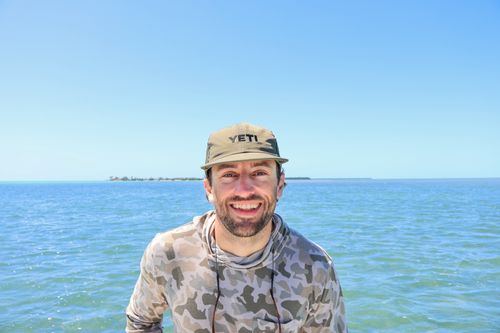
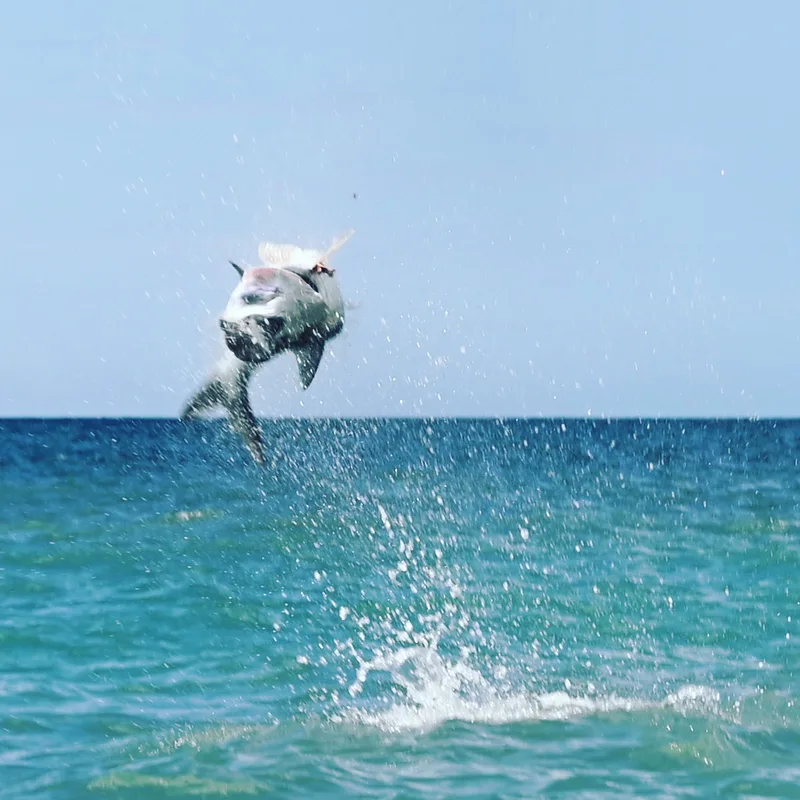
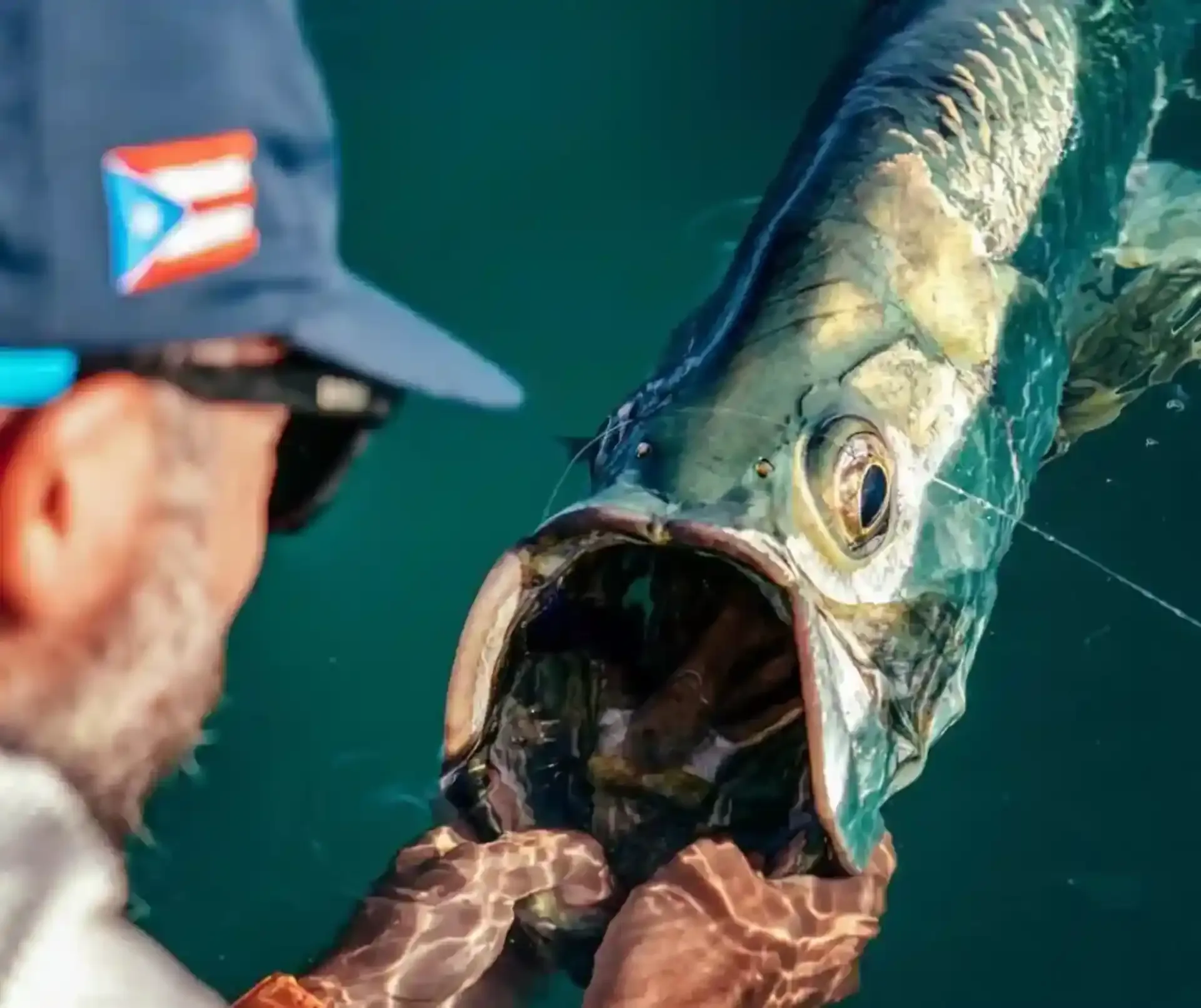
Use your own photos. The water, the skiffs, the guides, the rooms, the food and fish in hand. Stock photos read as stock photos to anyone who fishes, and on a lodge site they look like you’re hiding something. Real photos win even when they’re imperfect. I also put photos on the pages where they help someone decide, not just in a gallery nobody opens.
One inquiry form that gets you a real answer
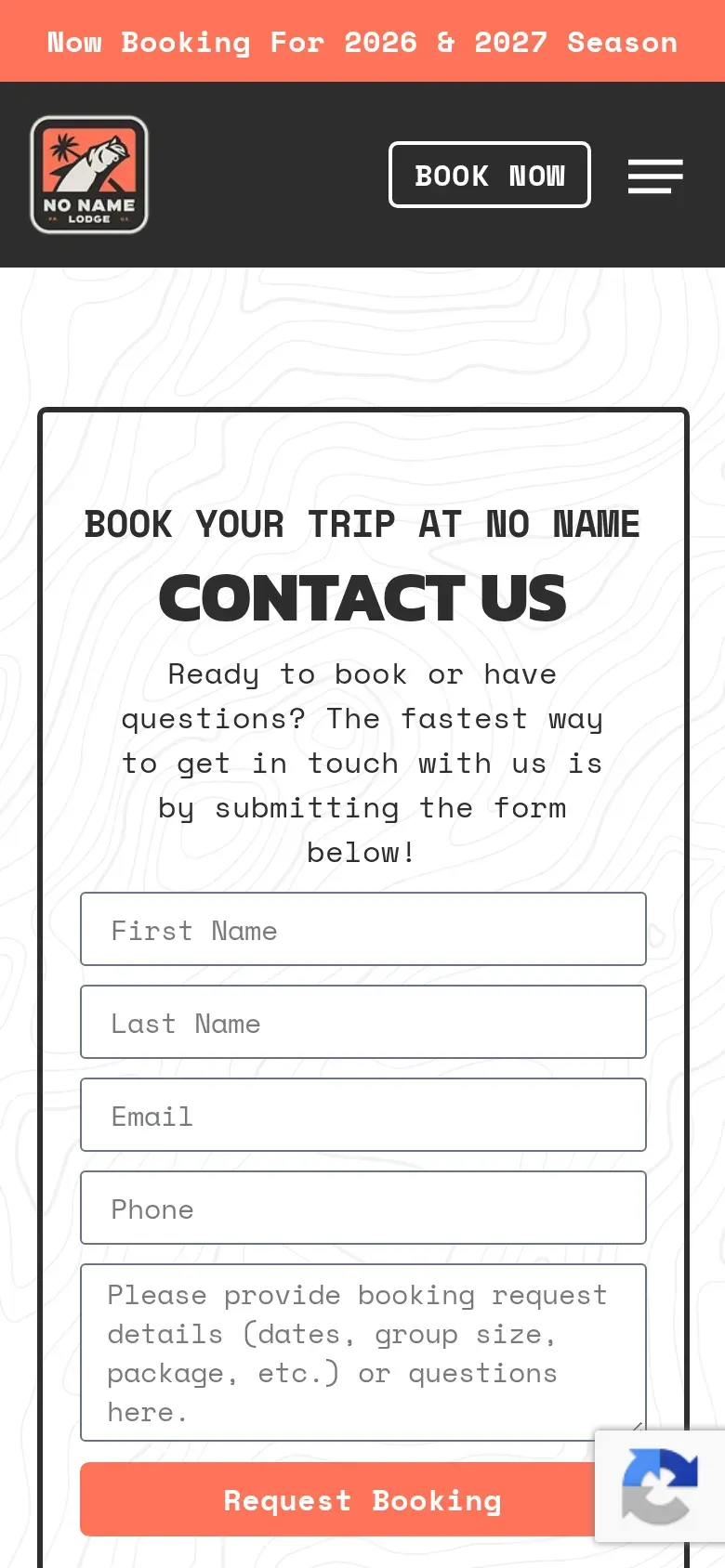
Most lodges don’t need a full booking engine. They need one inquiry form that collects what you need to reply with a real answer the first time:
- Preferred dates, or a range
- Group size
- Experience level
- Trip type
- How they heard about you
Put dates and group size first, because a lot of trip planning happens on a phone and those are the two things you need to check the calendar.
Answer fast
Then make sure the form lands somewhere it gets answered fast. A lodge that replies the same day with real information books more trips than one that replies in three days. Send an automatic confirmation the moment the form comes in, and make the real reply a same day habit. A booking request that sits in an inbox for three days is a booking request that went to the lodge down the coast. If you’d rather not count on someone watching the inbox, our $1,500 inquiry and follow-up automation add-on connects the form to a CRM with routing and follow up sequences.
On No Name Fly Lodge, the contact page is built around that one job. It brought in 378 booking requests in its first 12 months. Soul Fly Lodge, a bonefish lodge in the Bahamas, brought in 78 leads in its first 4 months after the rebuild.
Keep every page pointed at the next step
Every page should end with a clear way to ask about dates. Not five buttons. One. Someone who just finished reading about tarpon season shouldn’t have to hunt for the contact page.
Make it fast on one bar of signal
Your site should load fast on a phone with one bar of signal, because that’s how a lot of anglers read it, sitting in an airport or at a boat ramp. Heavy video and giant photo files that look great on your office monitor can make the site crawl for the person you most want to reach. Compress images, use modern formats and load video only when it’s needed.
Where search fits in
Guests search for the trip, not your name: “bonefish lodge Bahamas,” “best time to fish Puerto Rico for tarpon.” Every page above can show up for one of those searches. I go deeper in how a lodge site gets found, on what a lodge site needs before paid traffic, and on how to get recommended by AI assistants.
A quick self check
Pull up your site on your phone and ask:
- Can a first time visitor find your rates in under 10 seconds?
- Is there a season breakdown?
- Are the photos actually yours?
- Can someone ask about dates without committing to a full booking?
- How fast does someone hear back?
Where to start
If your site is missing two or three of these, you don’t always need a full rebuild. Sometimes it’s a rates page and a better form. If the foundation is the problem, that’s when a rebuild makes sense. Our lodge builds so far are fly fishing lodges, and hunting lodges and sporting camps are welcome too. The same approach fits. You can see how a build works on our process page, or look at the lodge sites we’ve built on our fishing lodge websites page. Builds start at $4,000, and most take about 4 to 6 weeks from kickoff to launch.
The goal is simple. When the trip organizer is down to three lodges, your site should be the one that answered every question before they had to ask.