
Shopify stores that sell outdoor gear
Flood Tide Digital builds Shopify stores for outdoor, fishing and marine brands. Product pages that show the gear at work, collections buyers can actually browse, configurators for made-to-order builds, and checkout that works on a phone. Builds start at $4,000. Most take about 4 to 6 weeks from kickoff to launch.
Shopify stores we have built
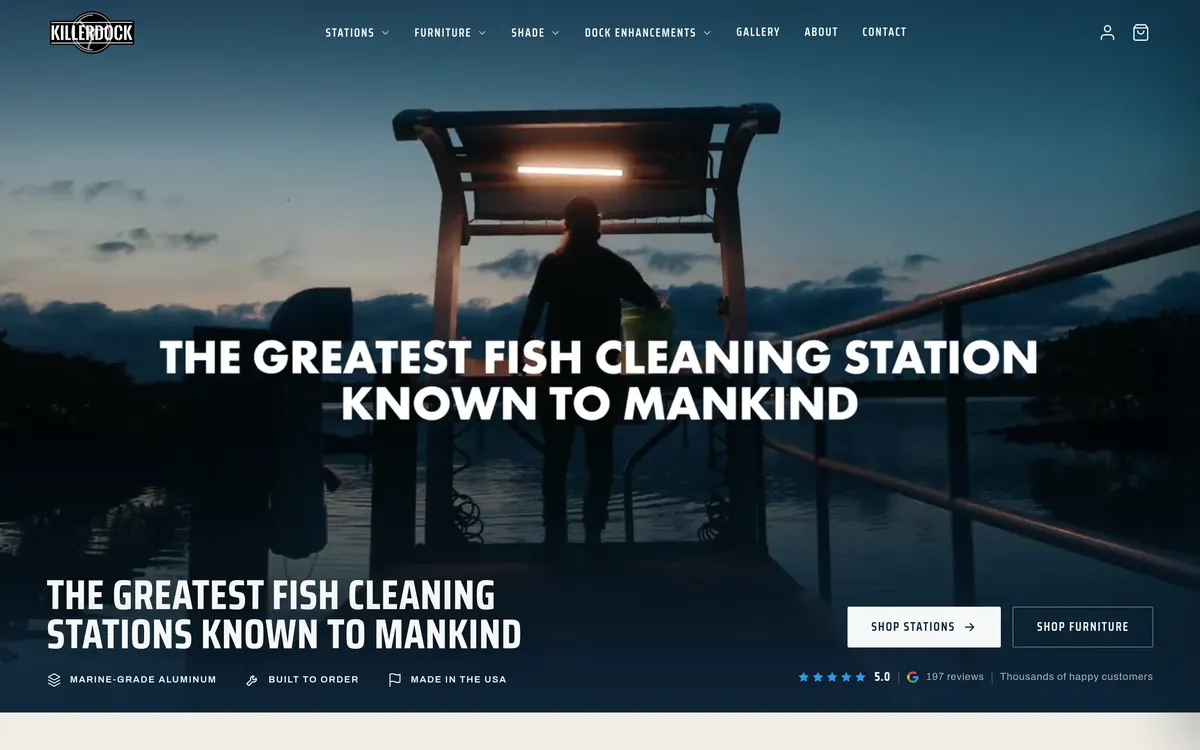
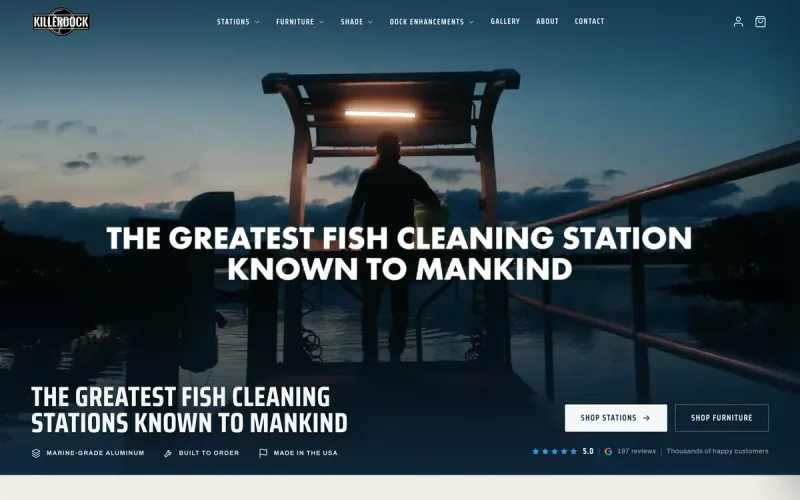
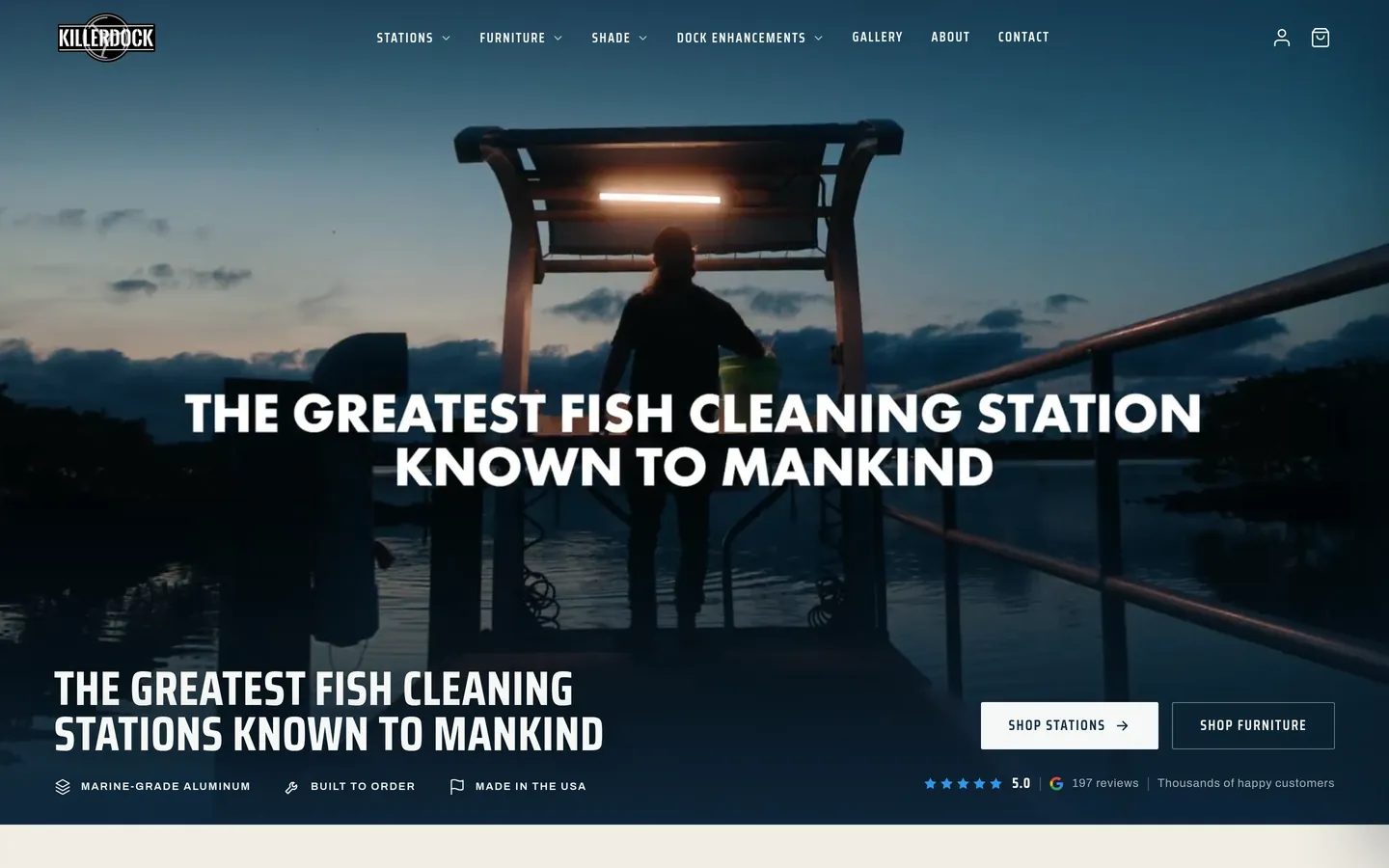
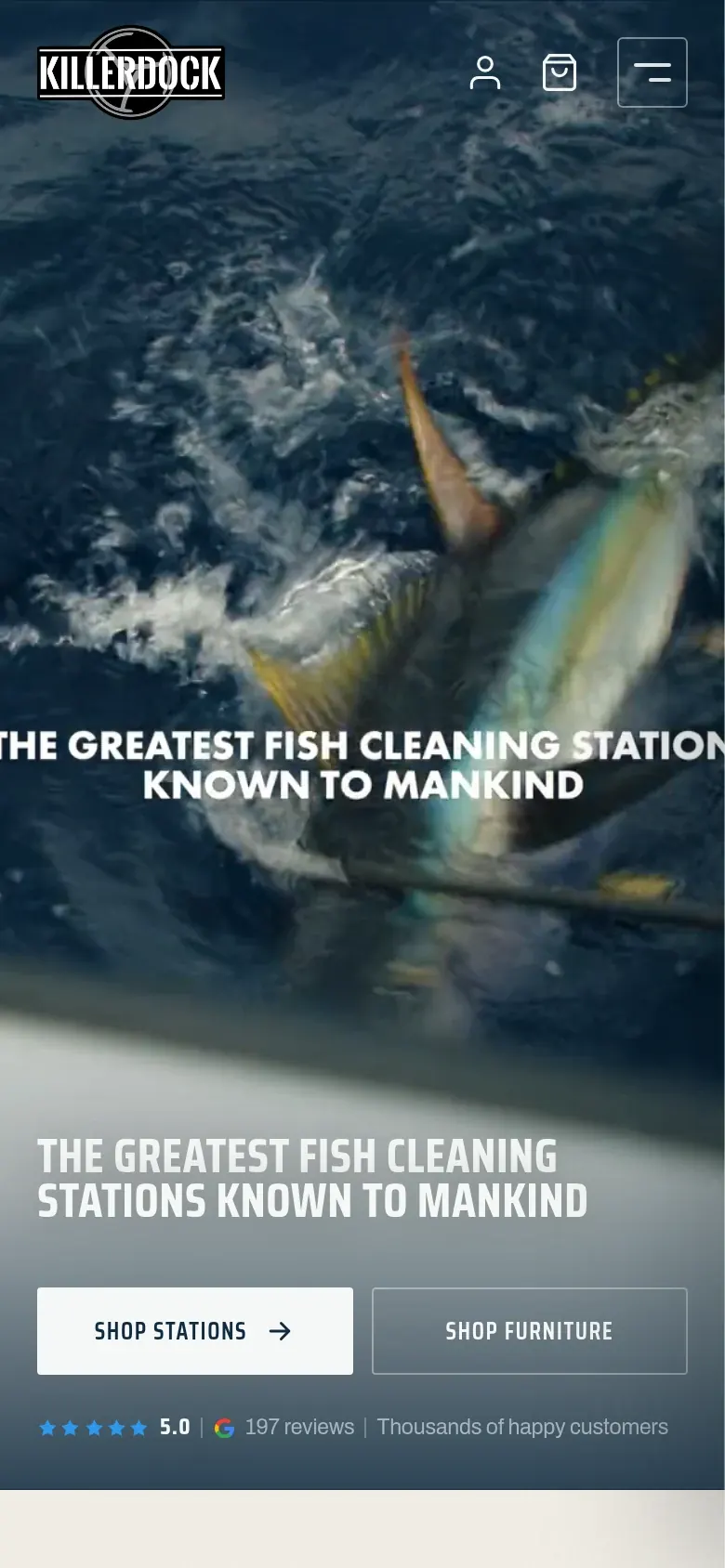
KillerDock
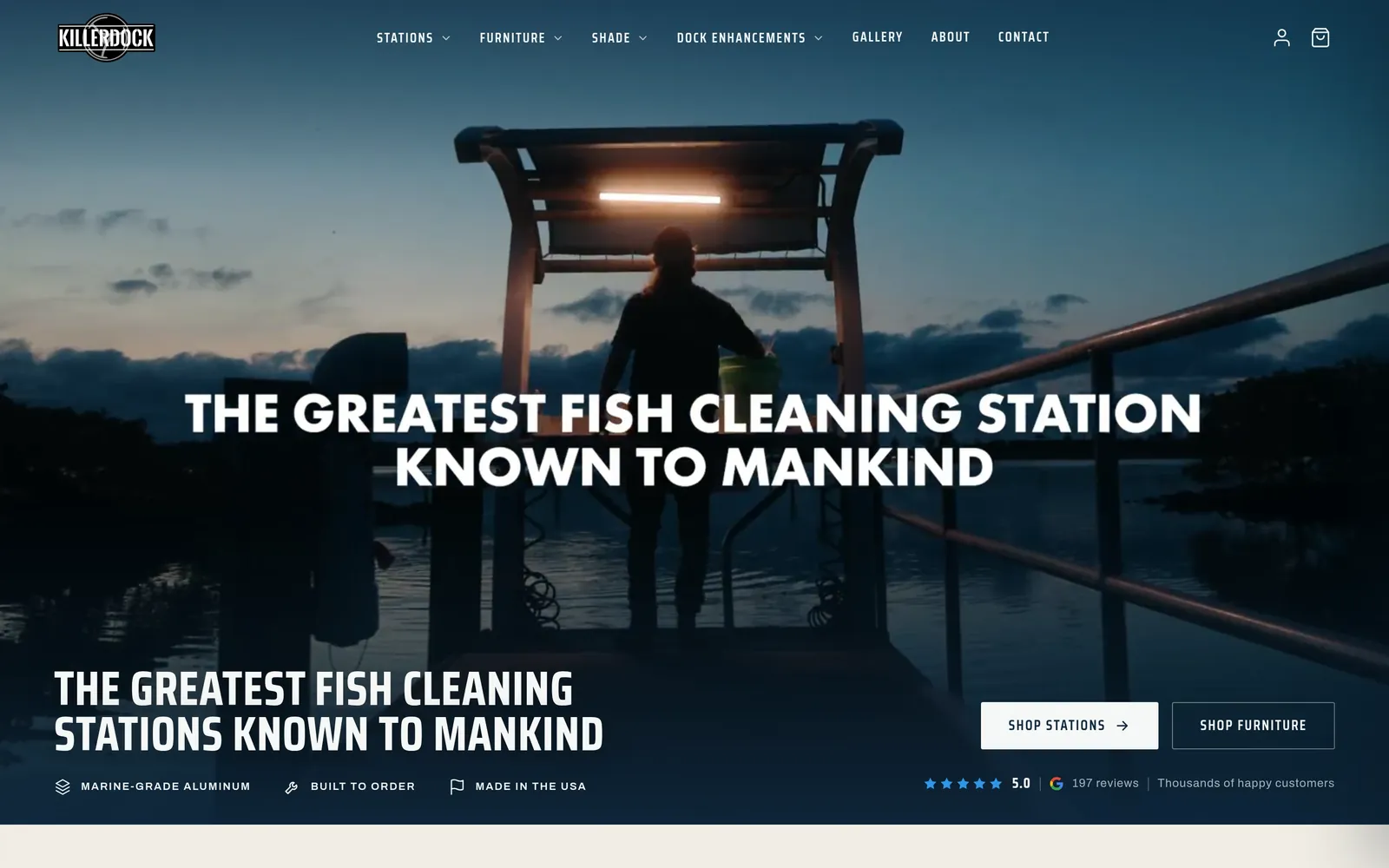
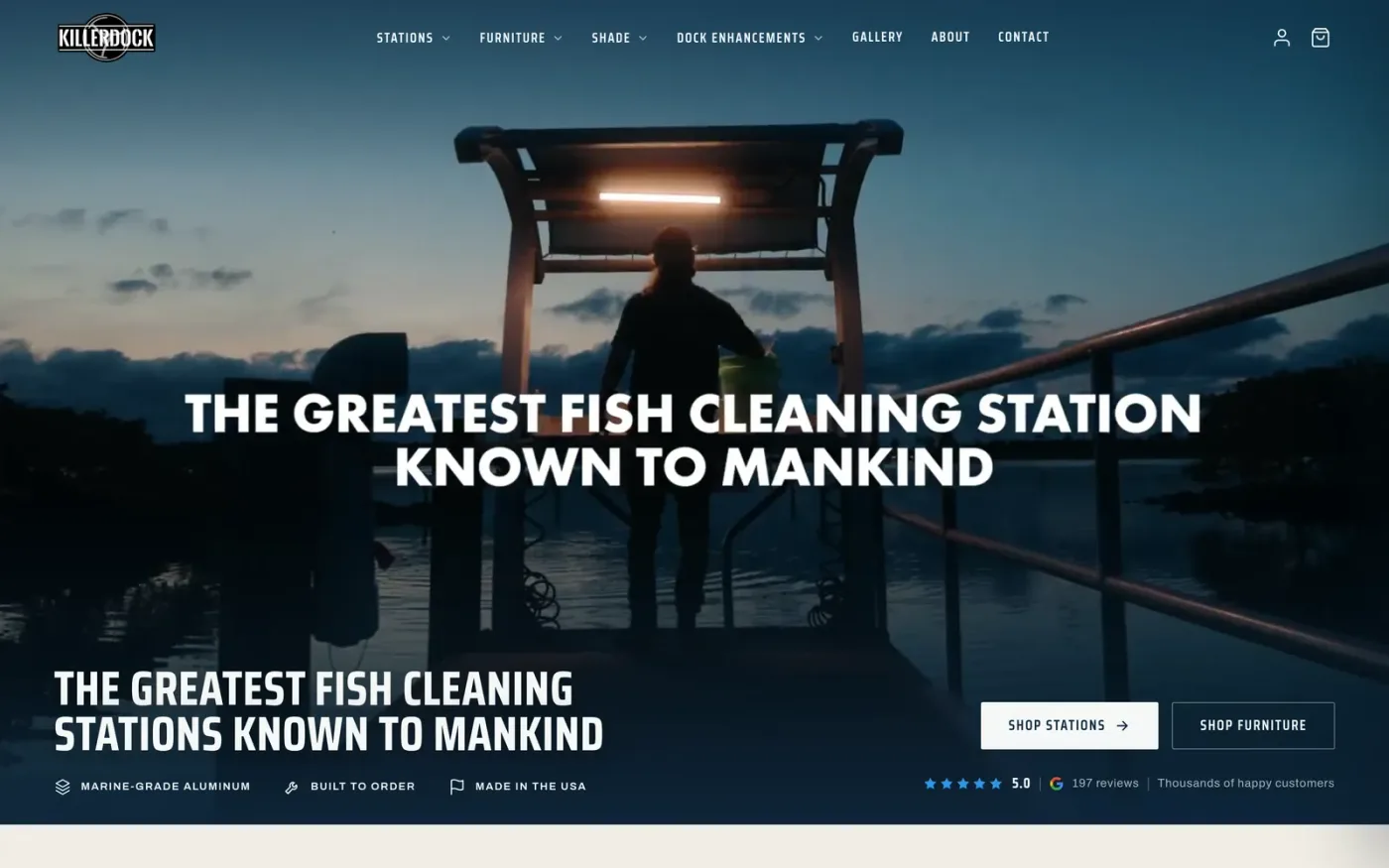
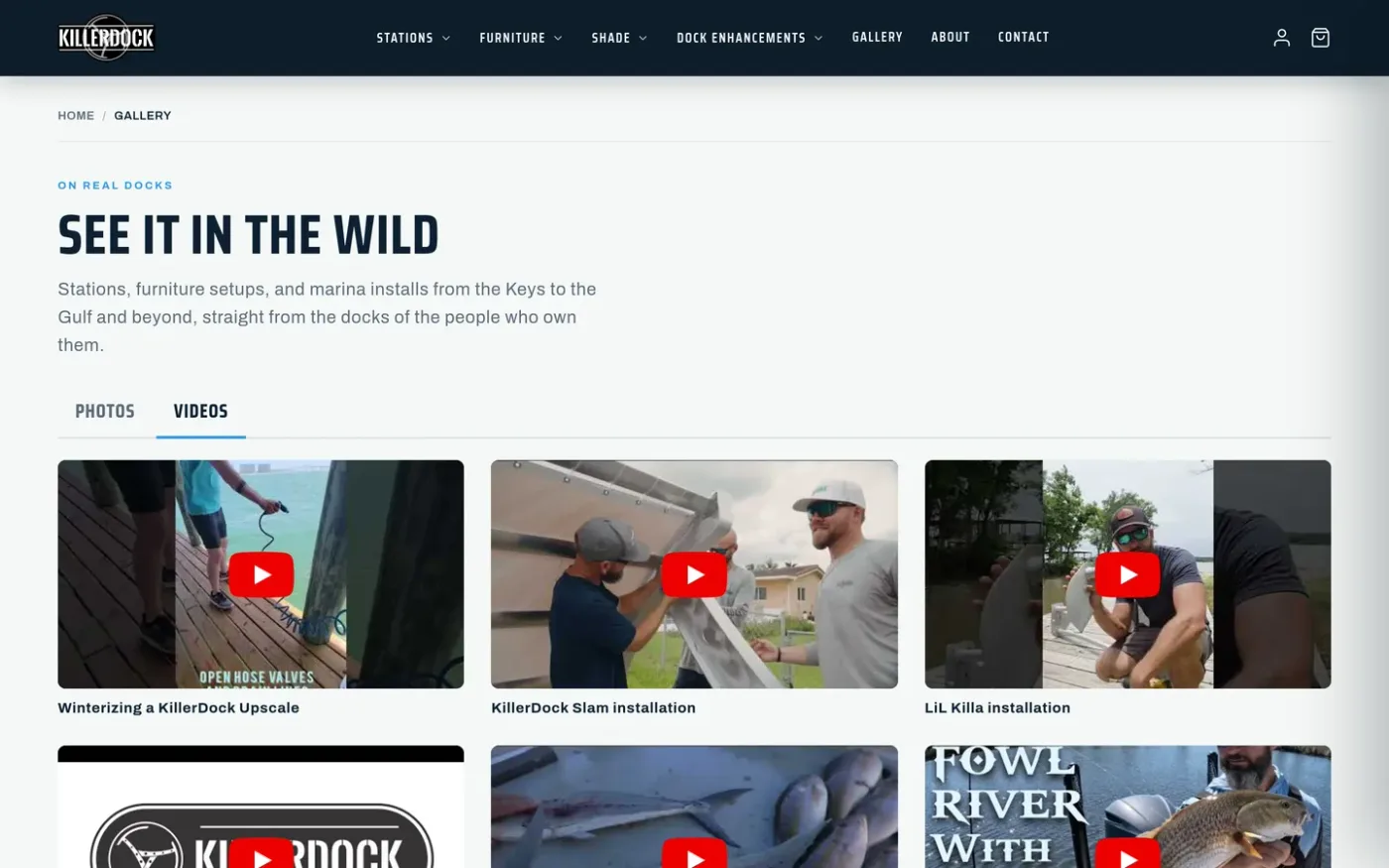
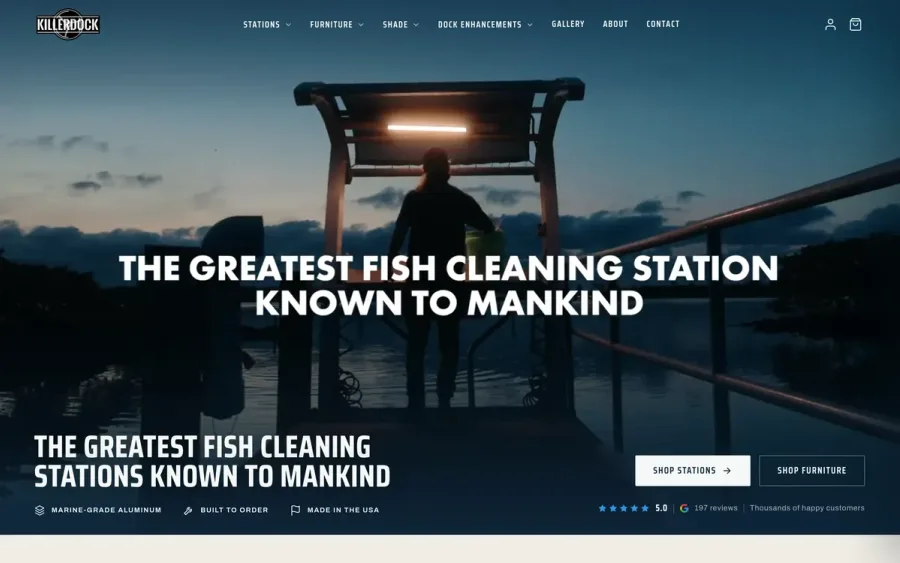
Fish cleaning stations and dock furnitureA Shopify store for fish cleaning stations and dock furniture: real footage up top, every build configurable, and a clean path from the dock to checkout.
Built to sell stations and dock furniture on any screen.See the KillerDock Shopify store →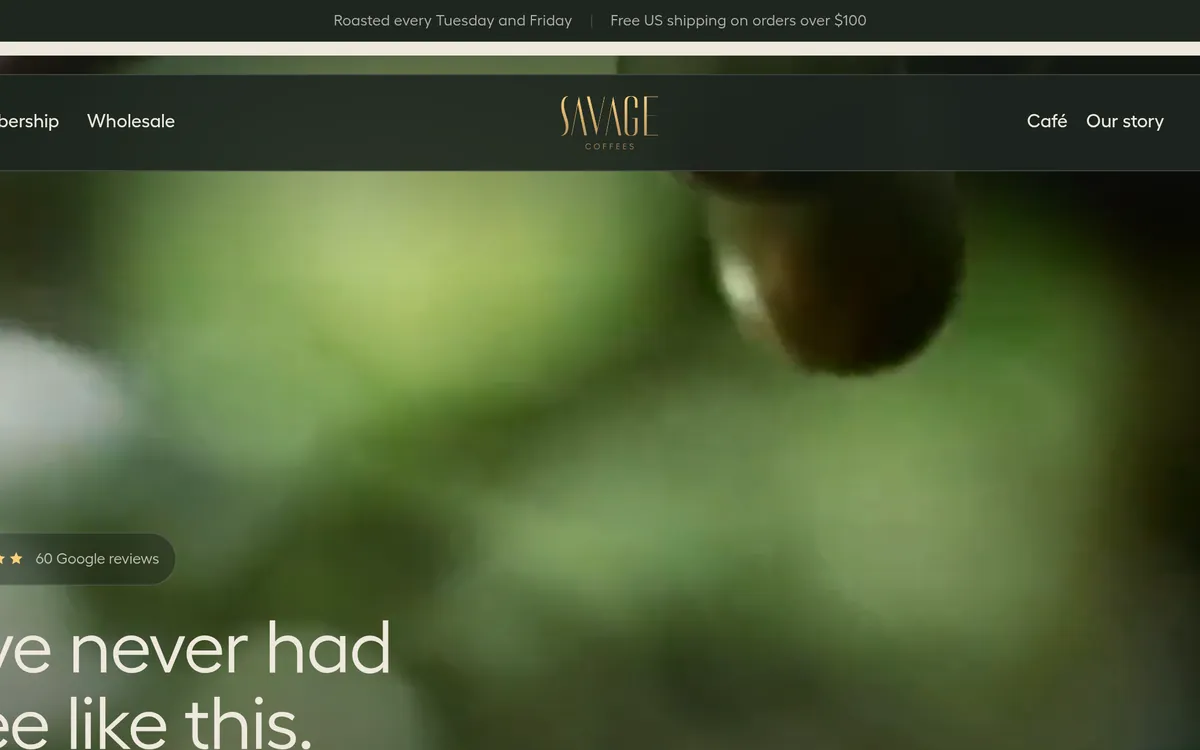
Savage Coffees
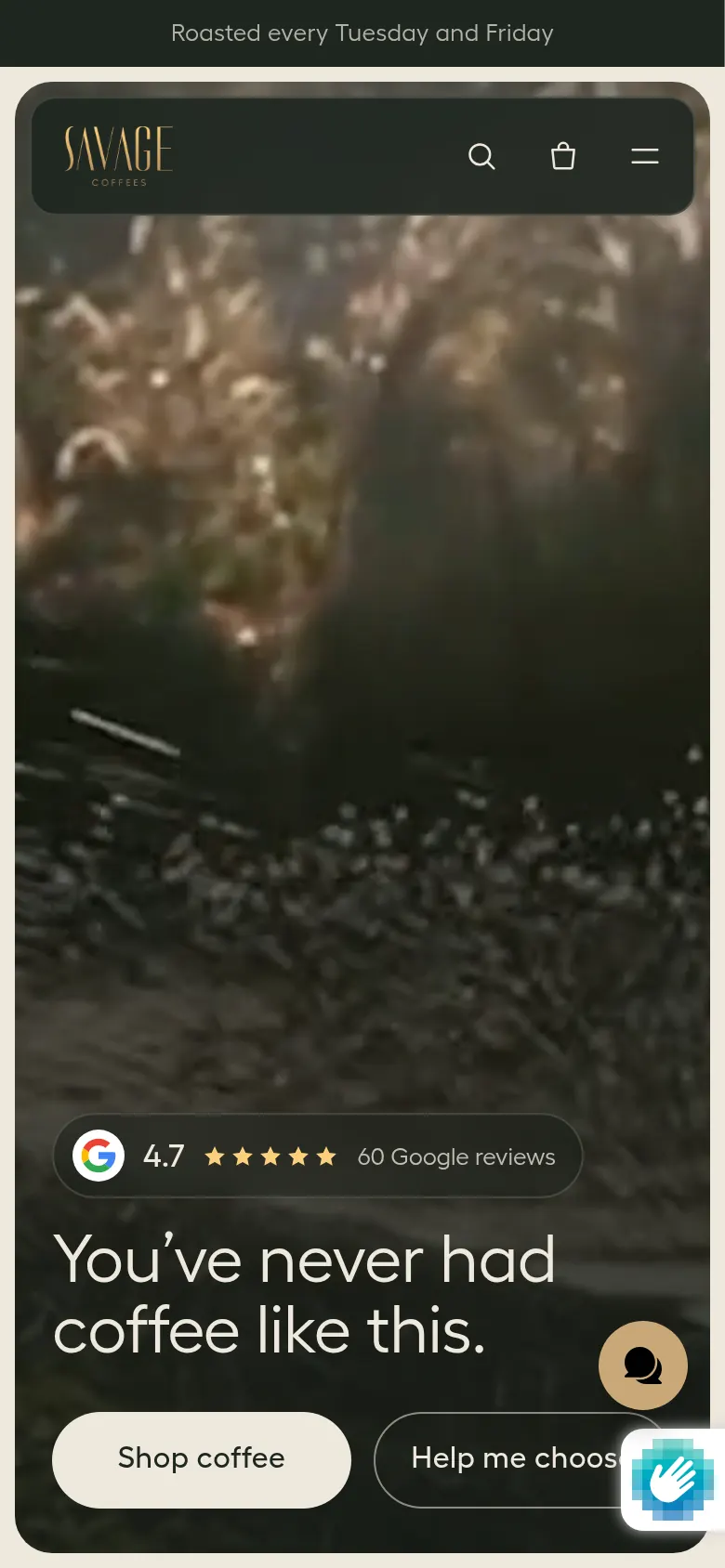
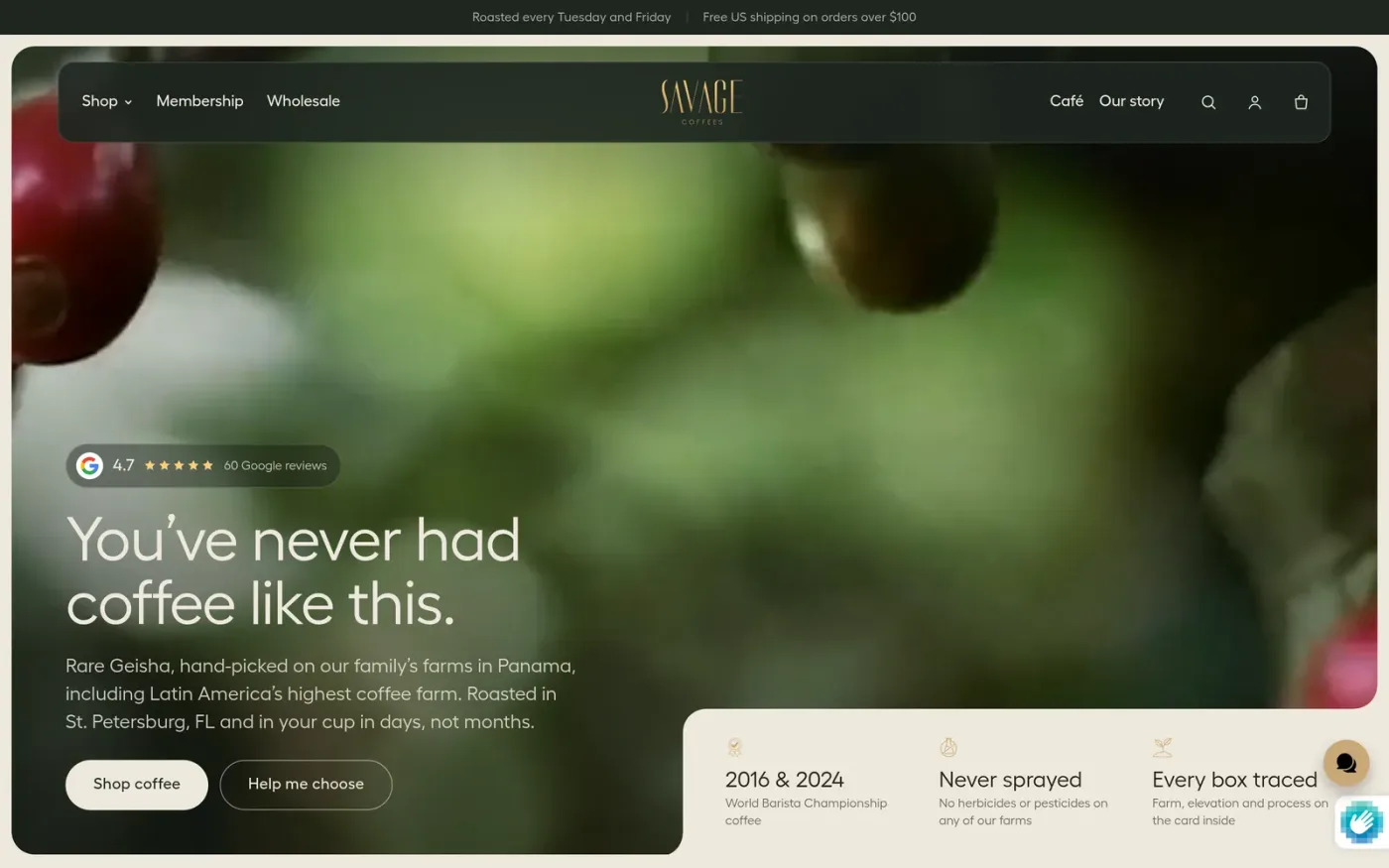
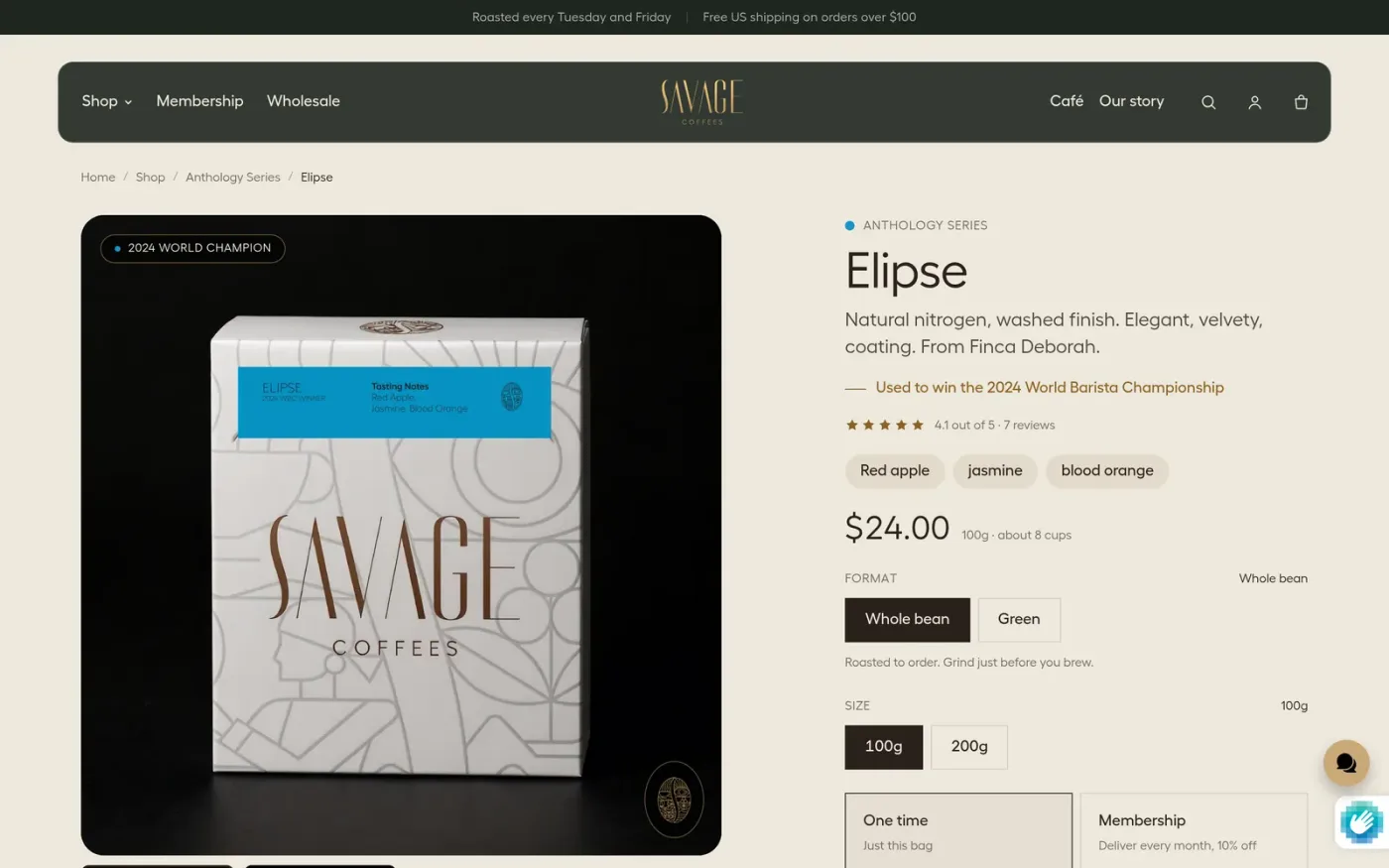
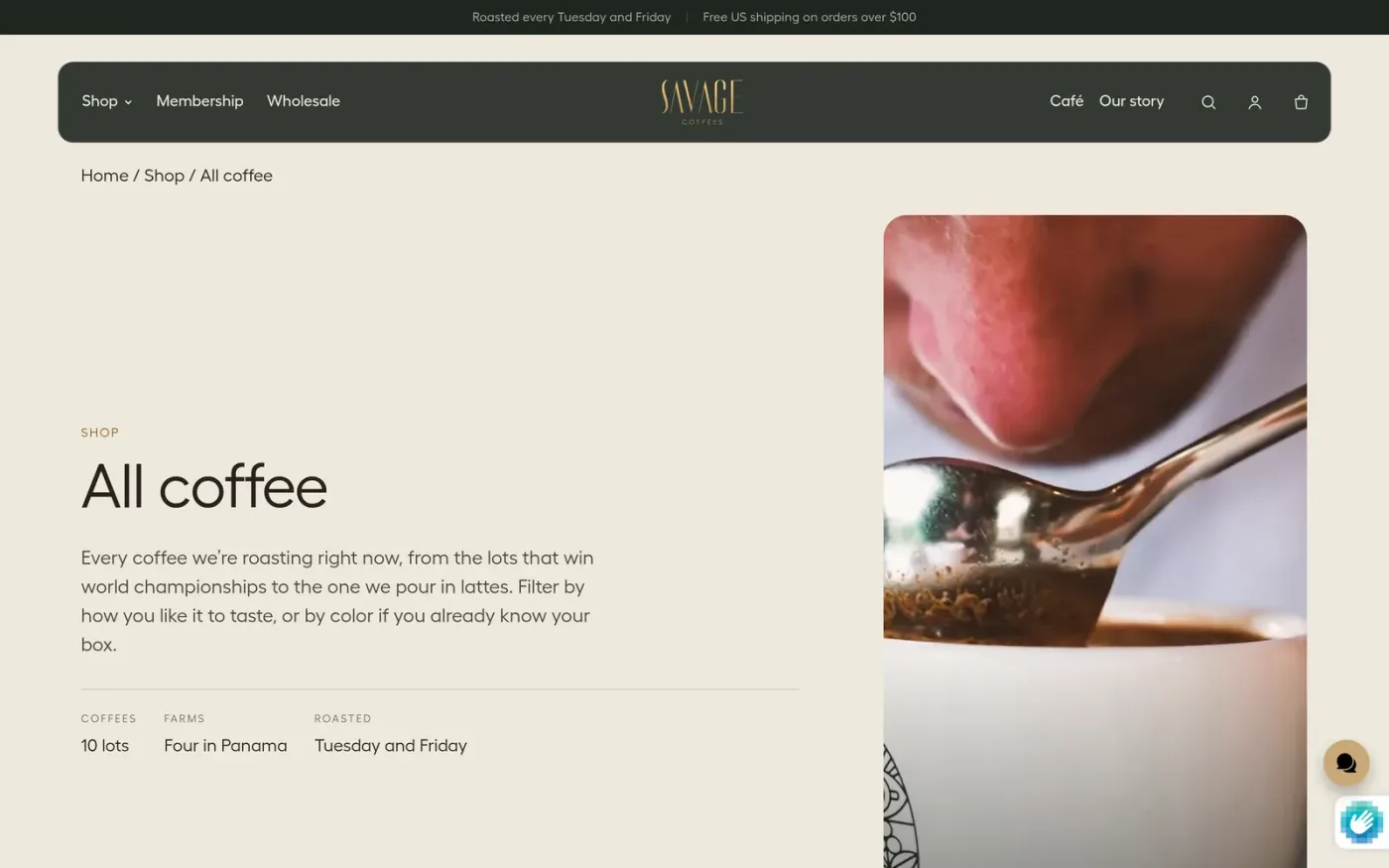
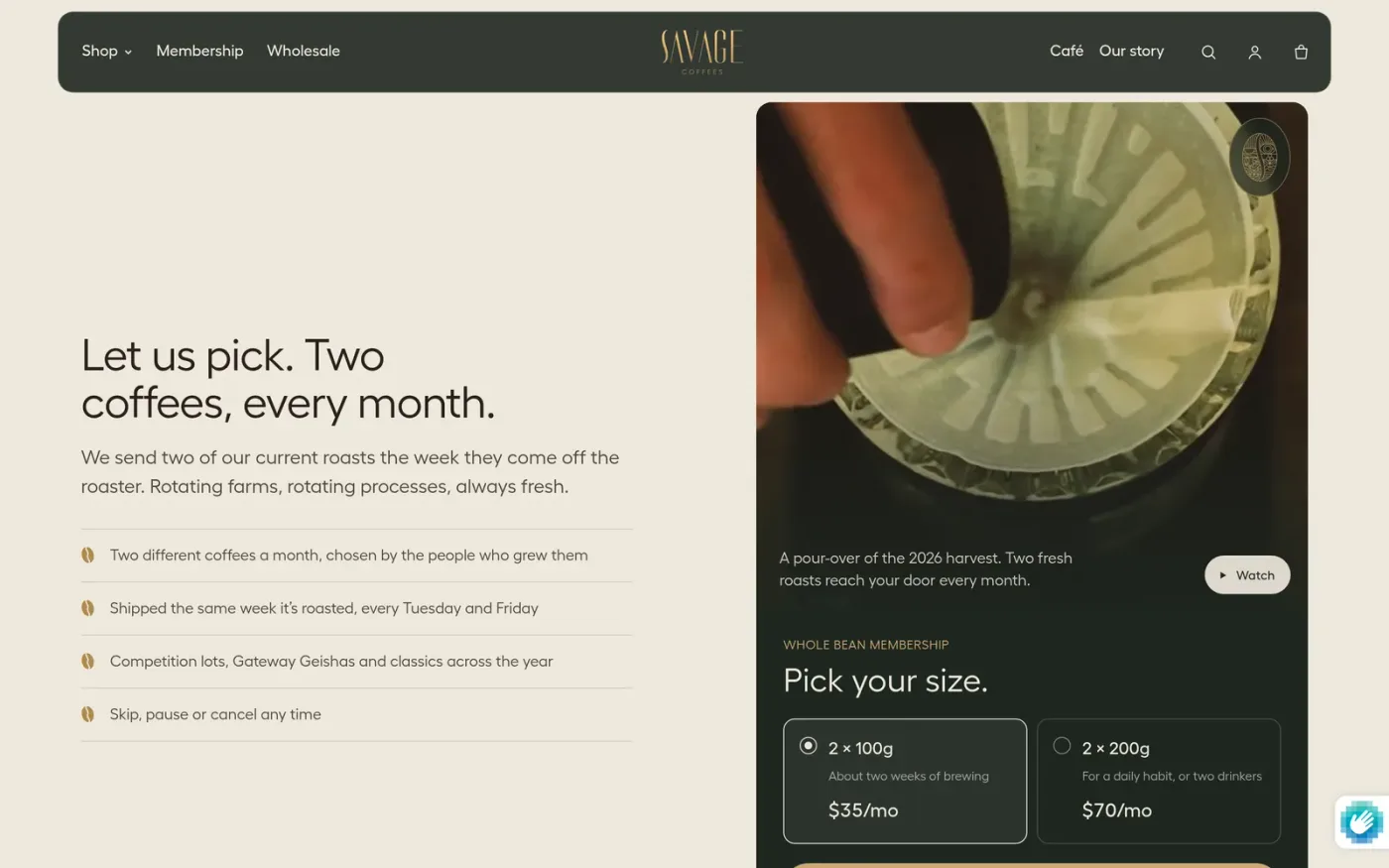
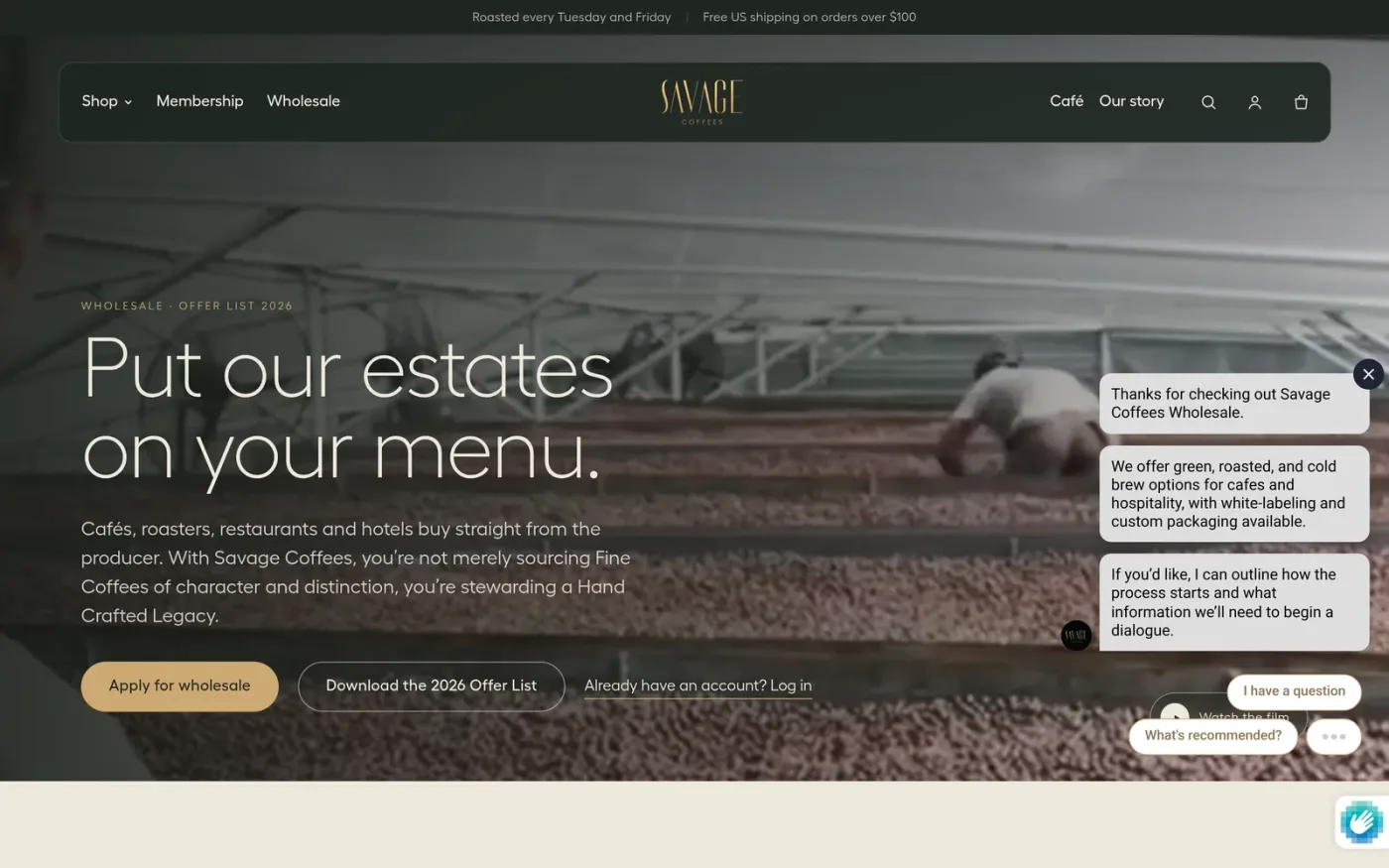
Specialty coffee brandA Shopify store in progress for championship Geisha lots: a cinematic homepage, color-coded collections, membership and a clean path from cupping notes to cart.
Coming soon.In progress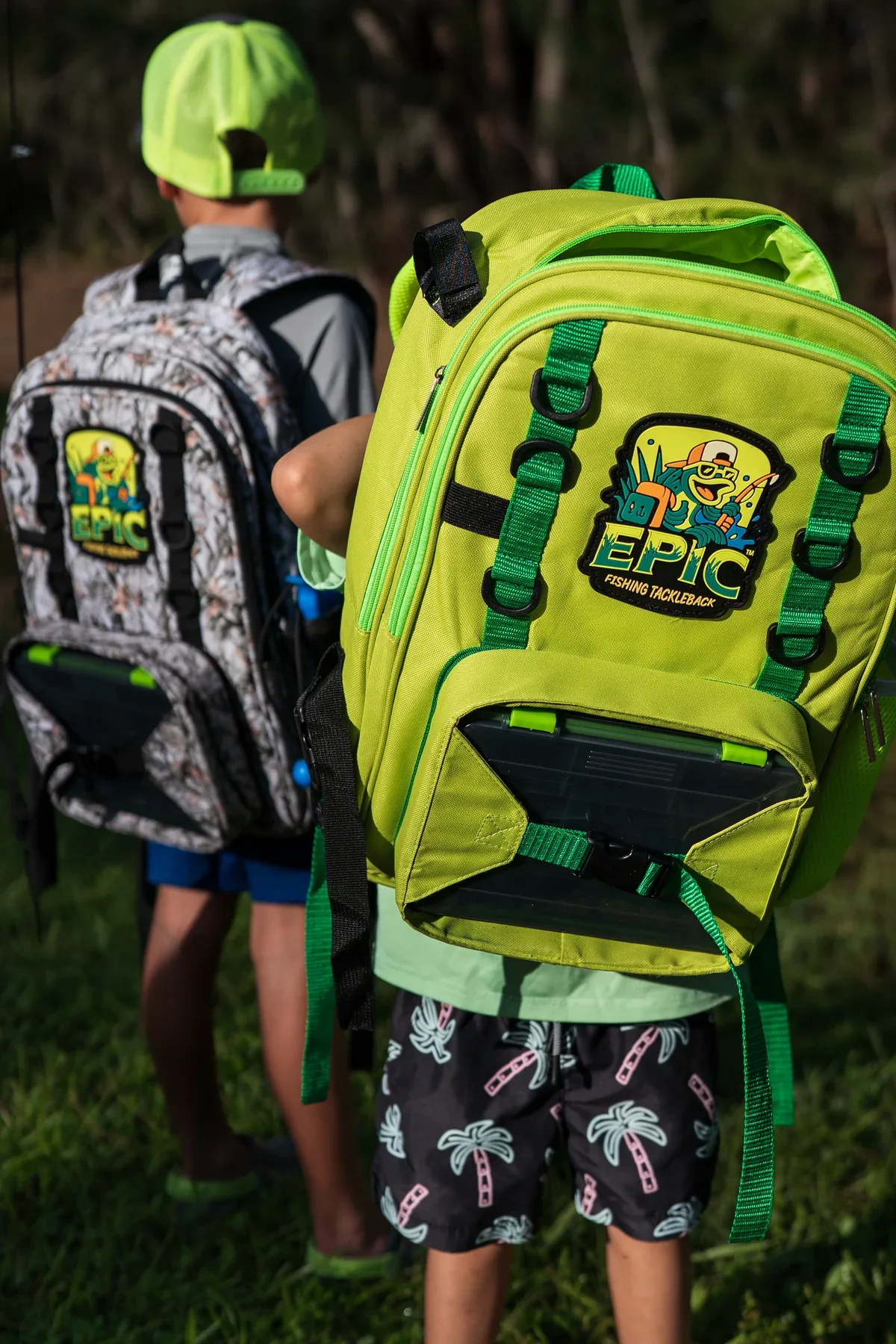
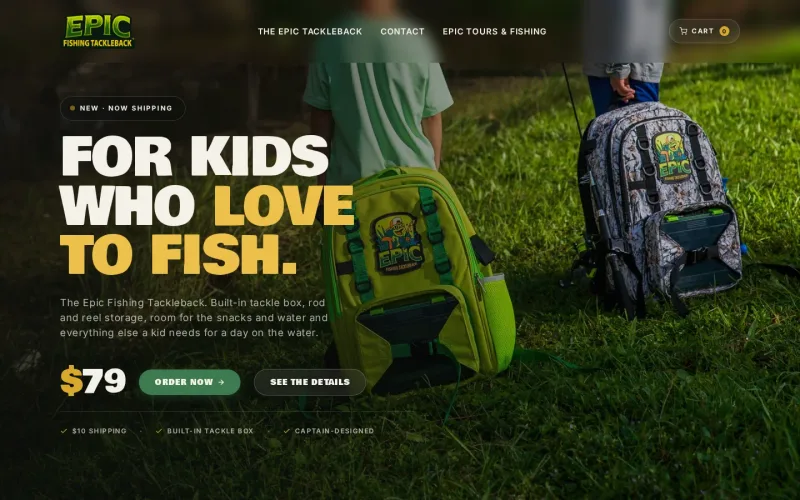
Epic Fishing
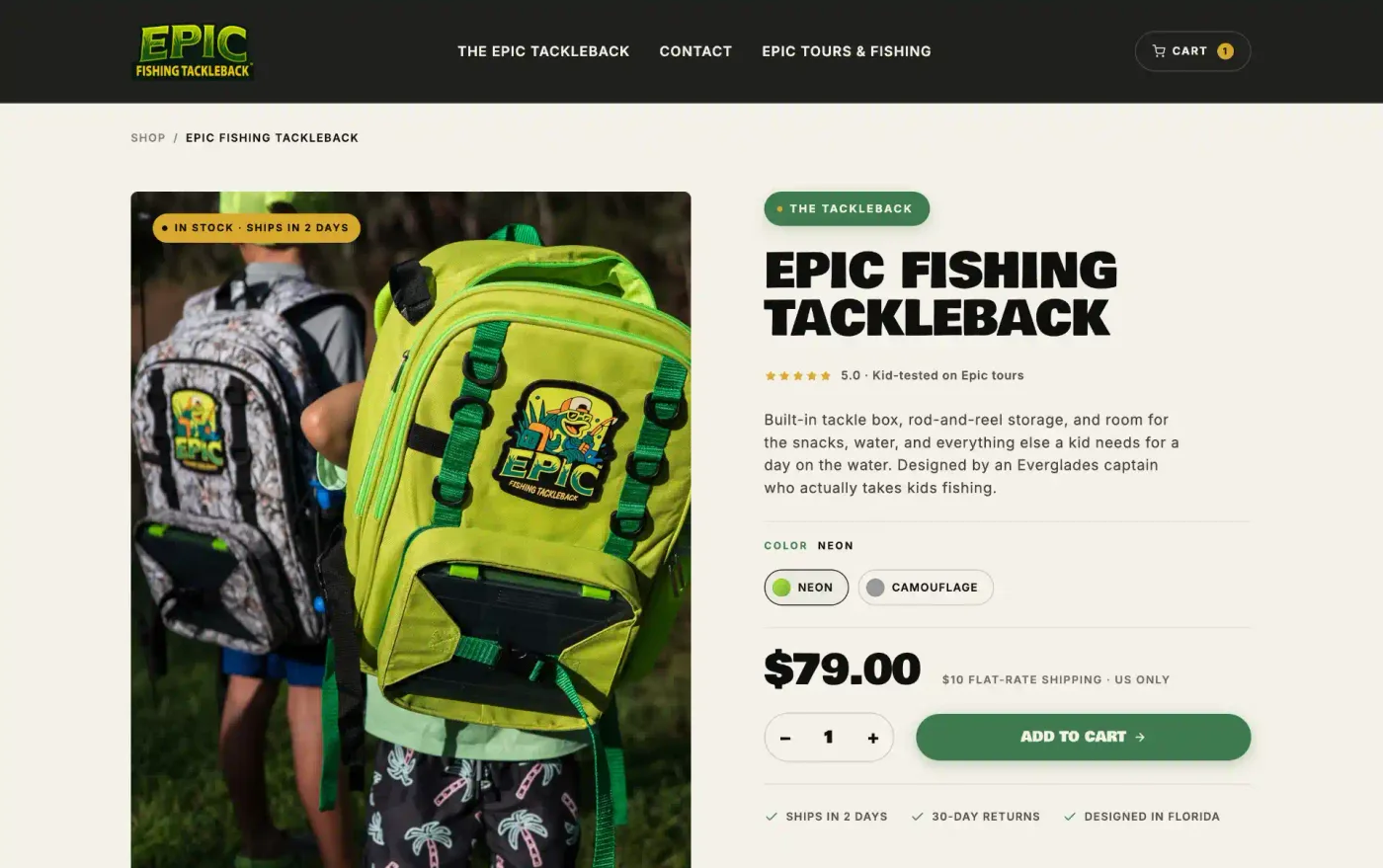
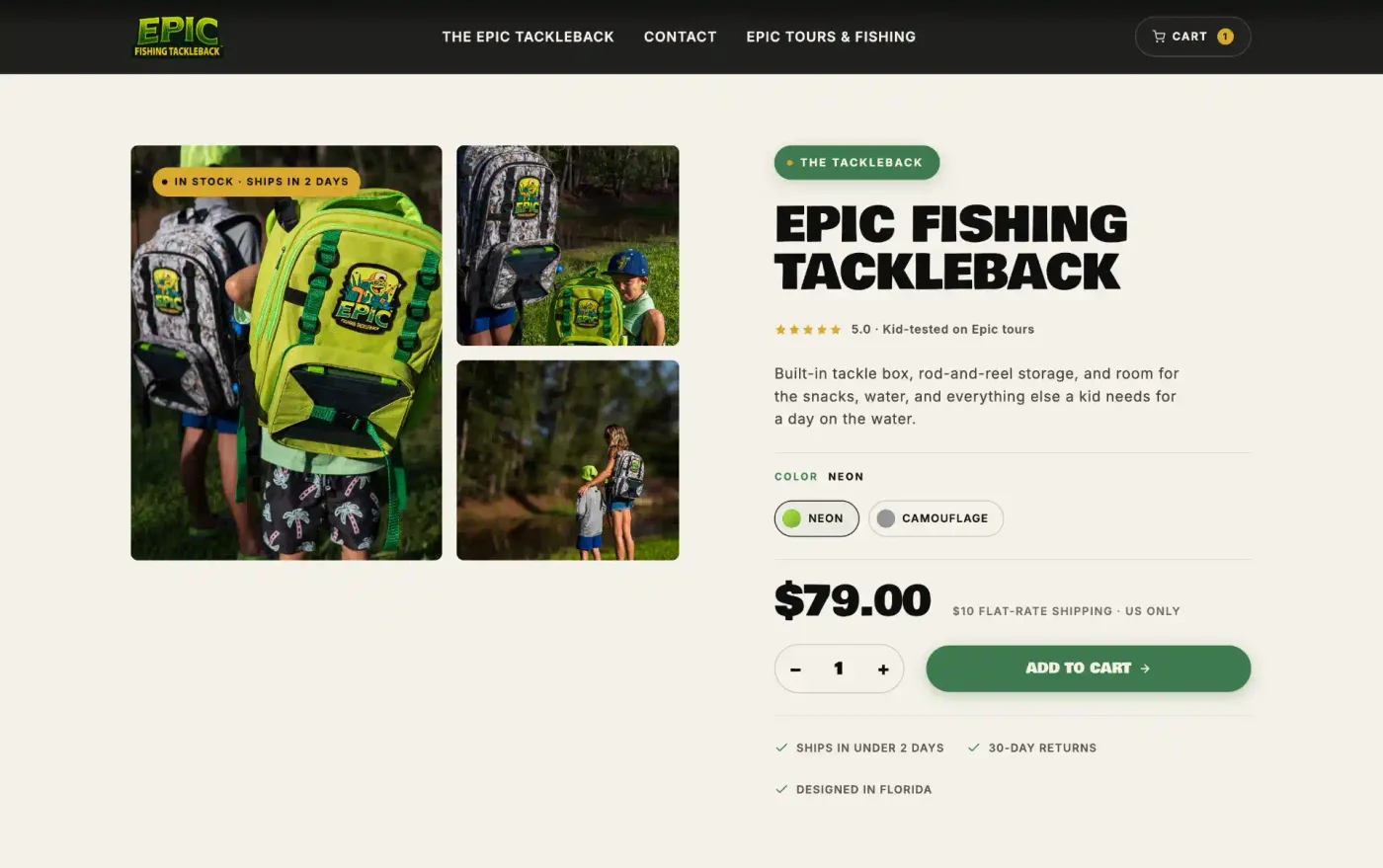
Kids' fishing backpack brandA single-product Shopify store for a captain-designed kids' fishing backpack: a story-driven product page and a short path from browse to order.
Built to turn curious browsers into orders.See the Epic Fishing Shopify store →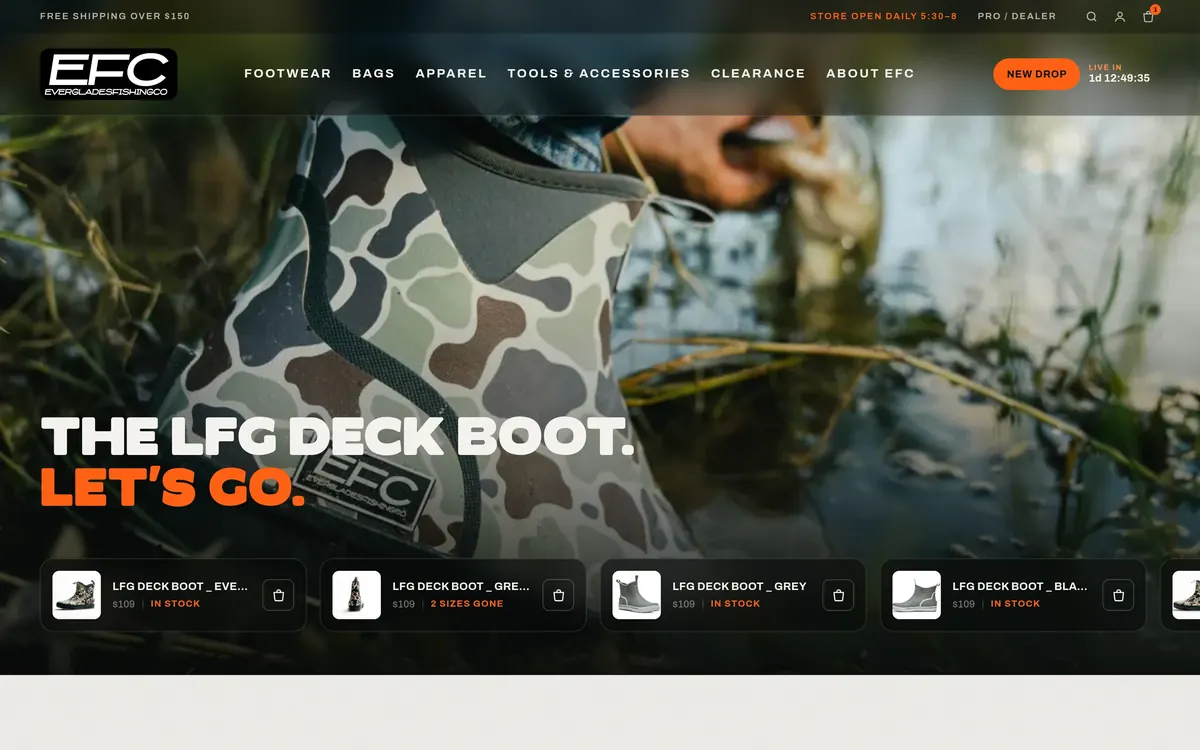
Everglades Fishing Co
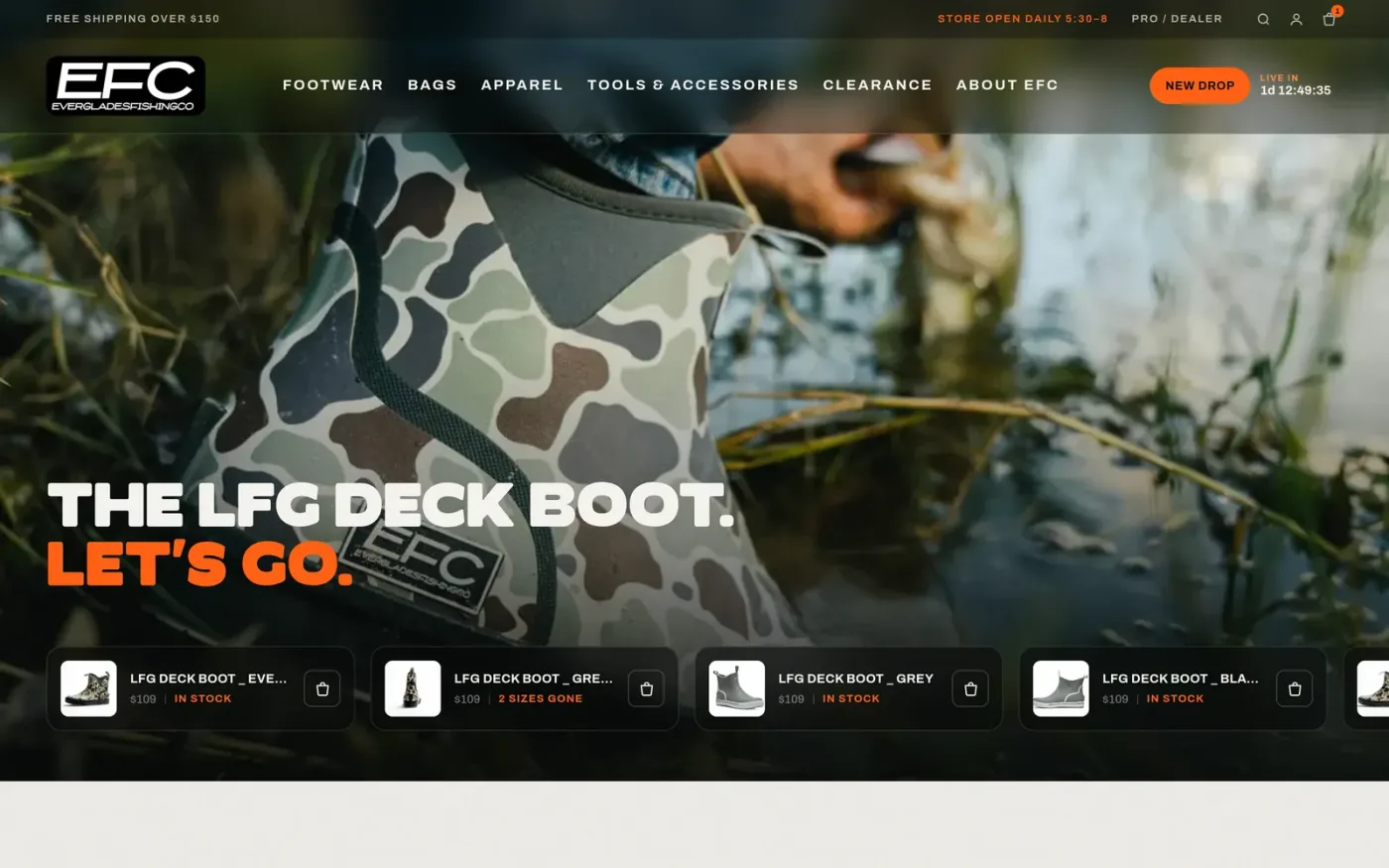
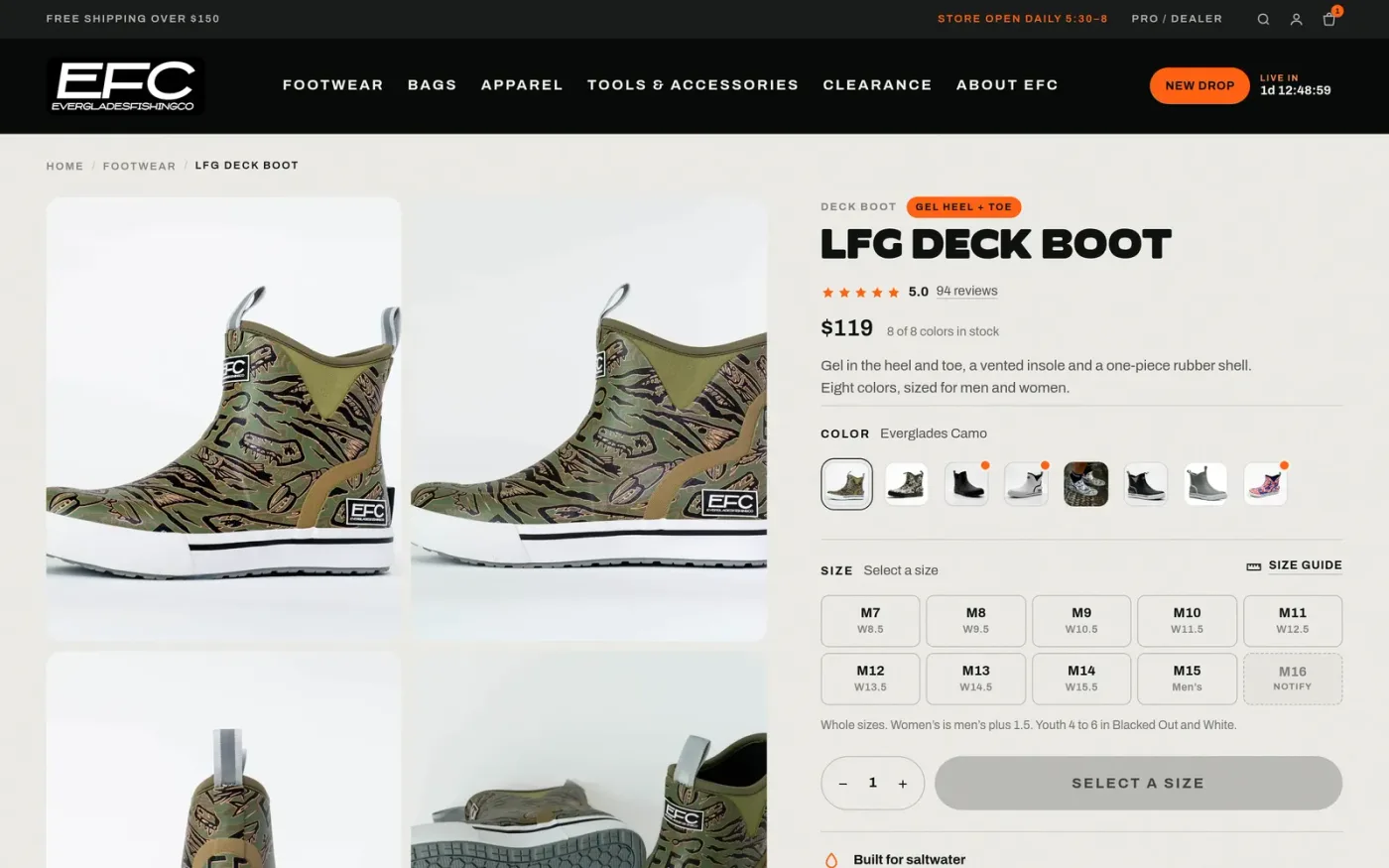
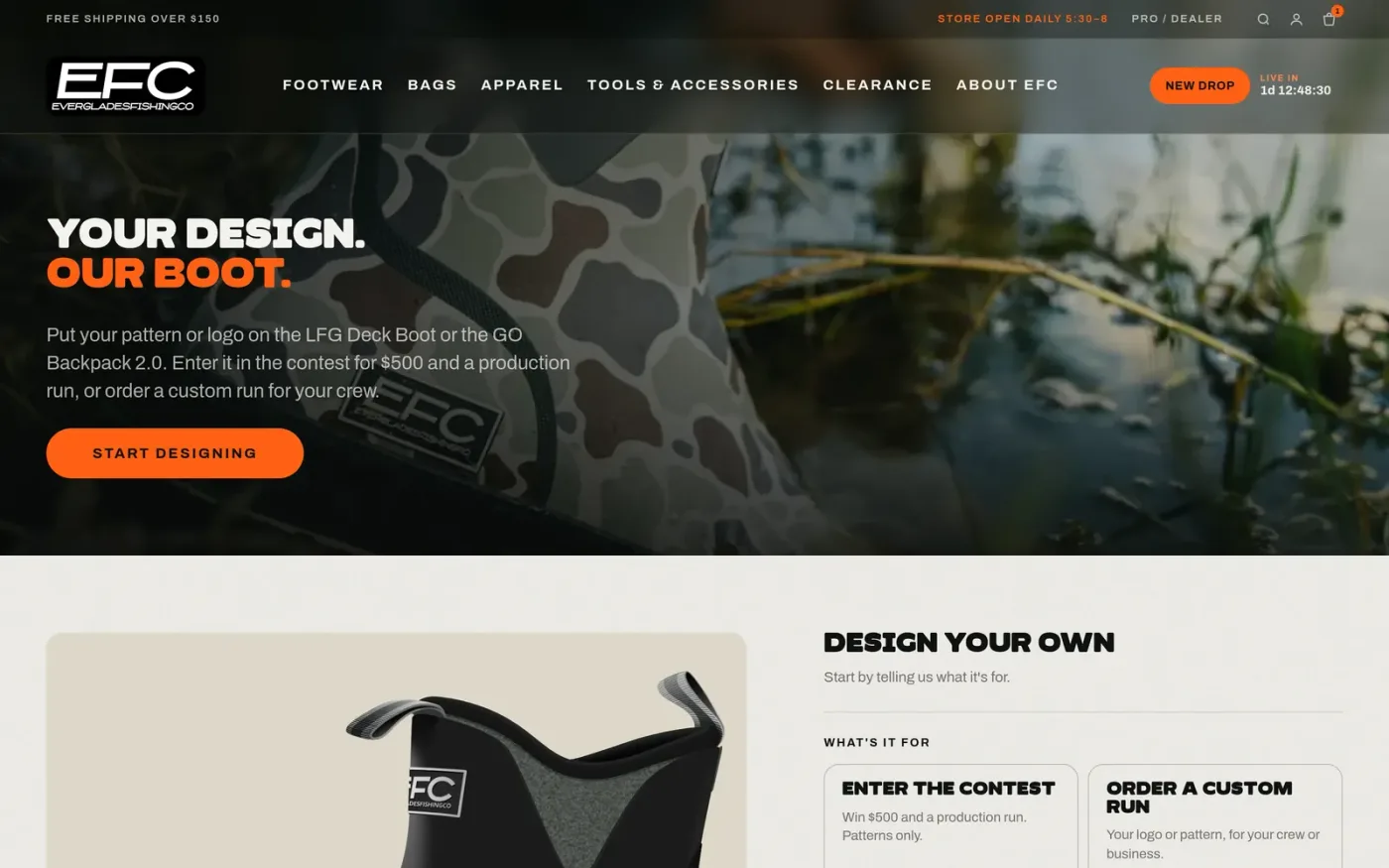
Footwear and custom gearA Shopify store in progress for deck boots and Design Your Own: collections, product pages and a custom path still in design review.
Coming soon.In progressProduct pages that show the gear and close the sale
Buyers need to see the product in use, understand the options, and know what they are getting before they hit add to cart. We build product pages around real photos and video, clear specs, and one obvious buy path.
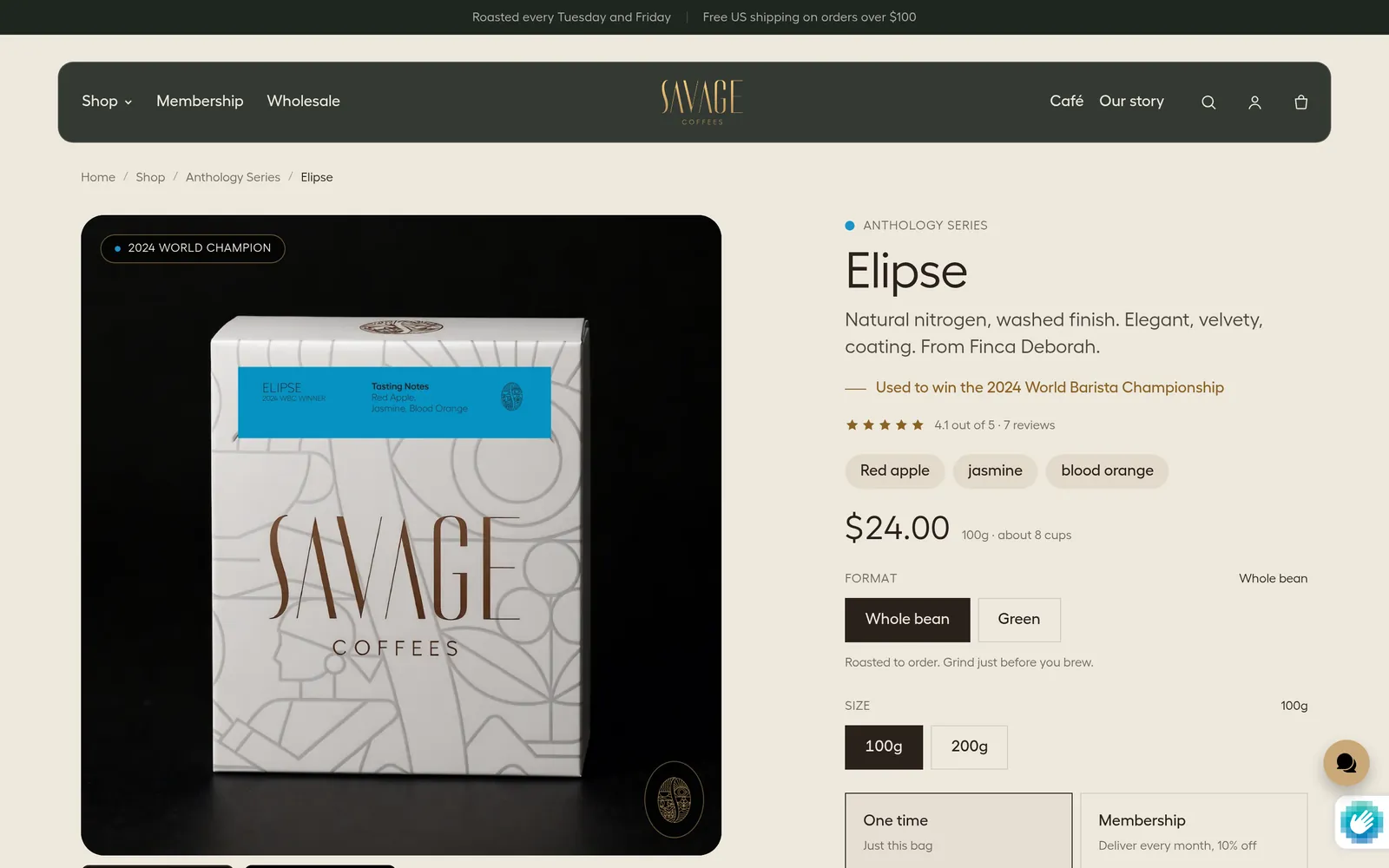
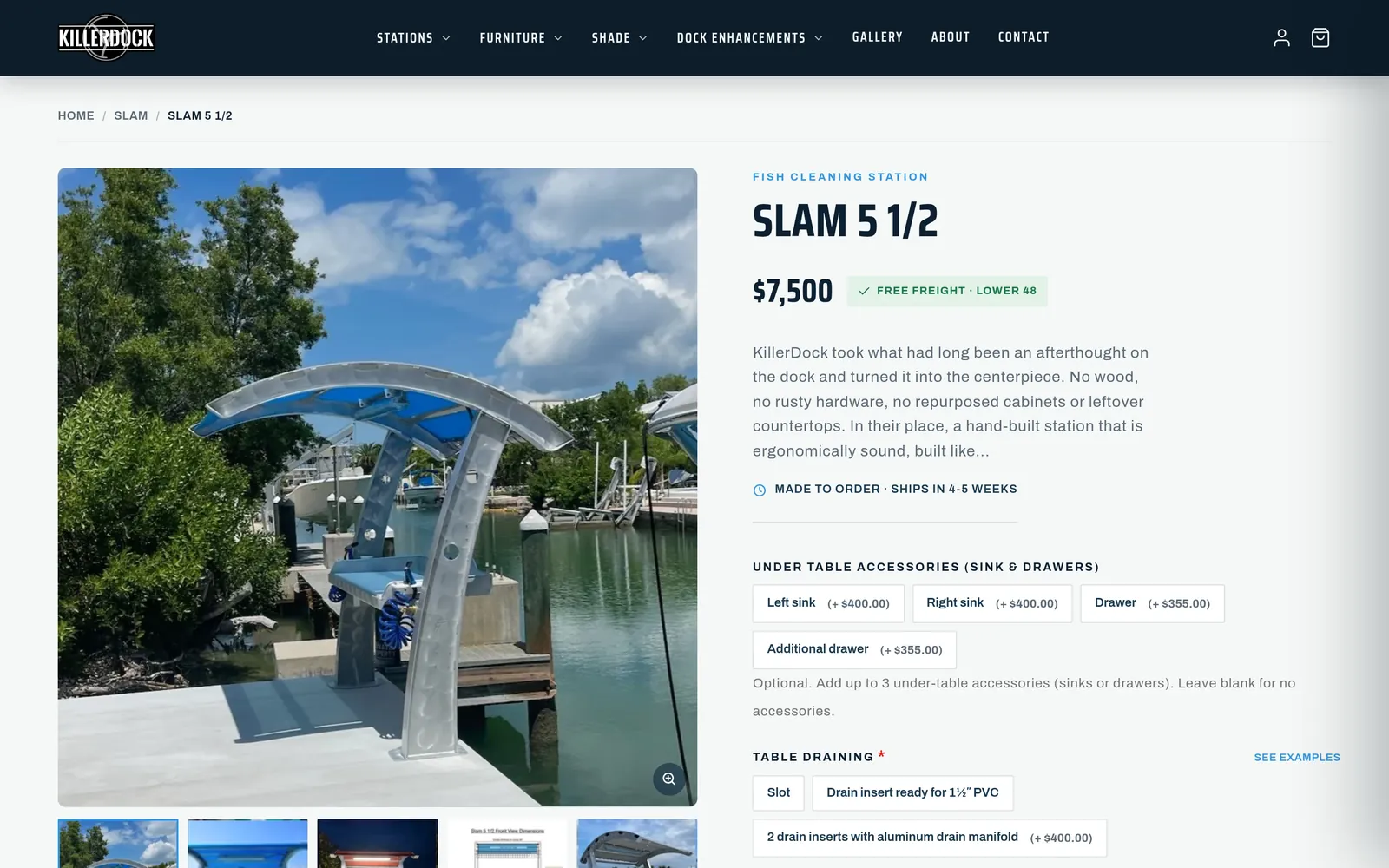
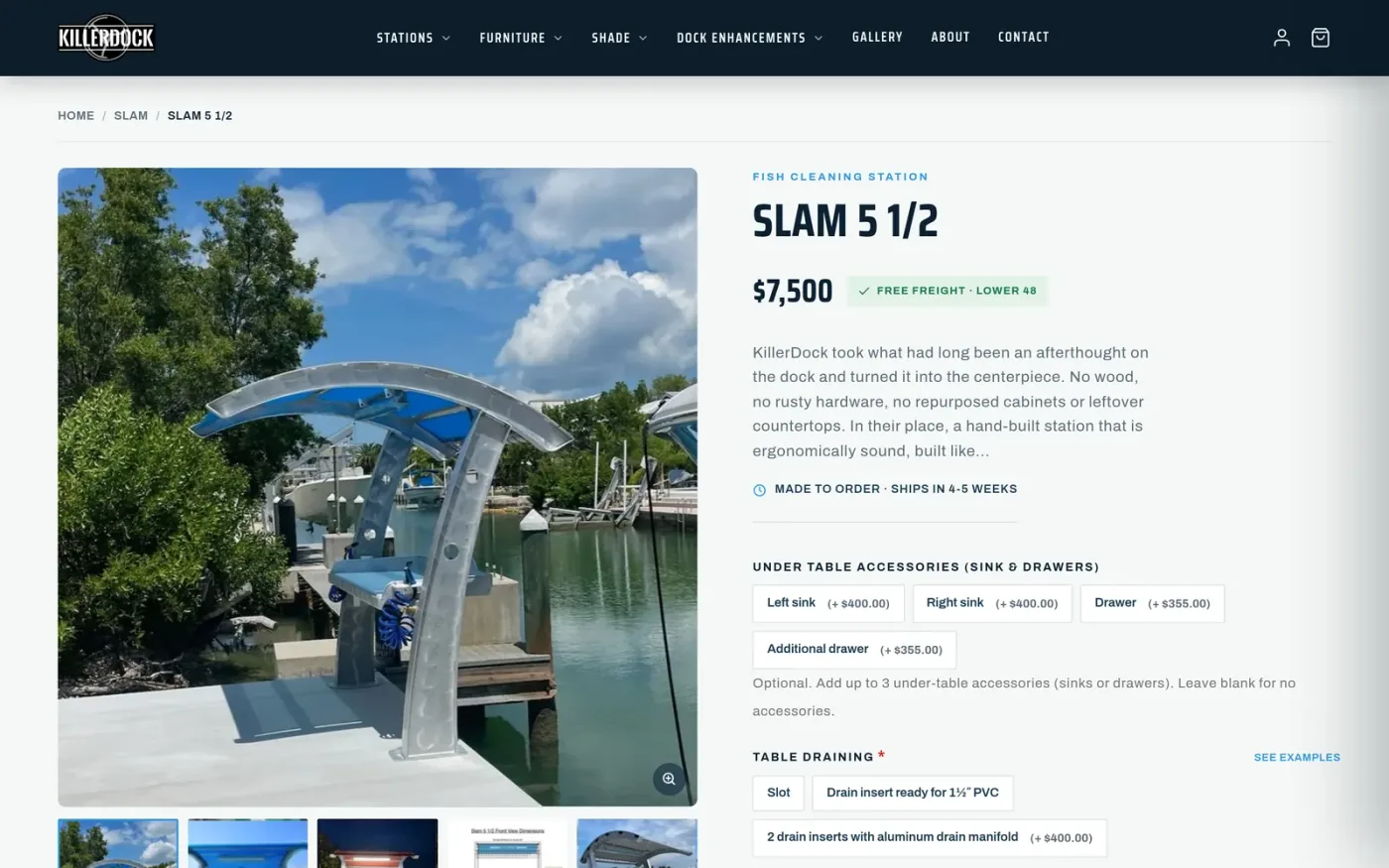
Savage Coffees puts championship lots like Elipse on a focused buy path with tasting notes, format and size. KillerDock stations lead with footage, then sizes and add-ons priced as the buyer picks them. Epic Fishing and Everglades Fishing Co follow the same idea for a single product or a Deck Boot still in progress.
Collections and configurators that match how you sell
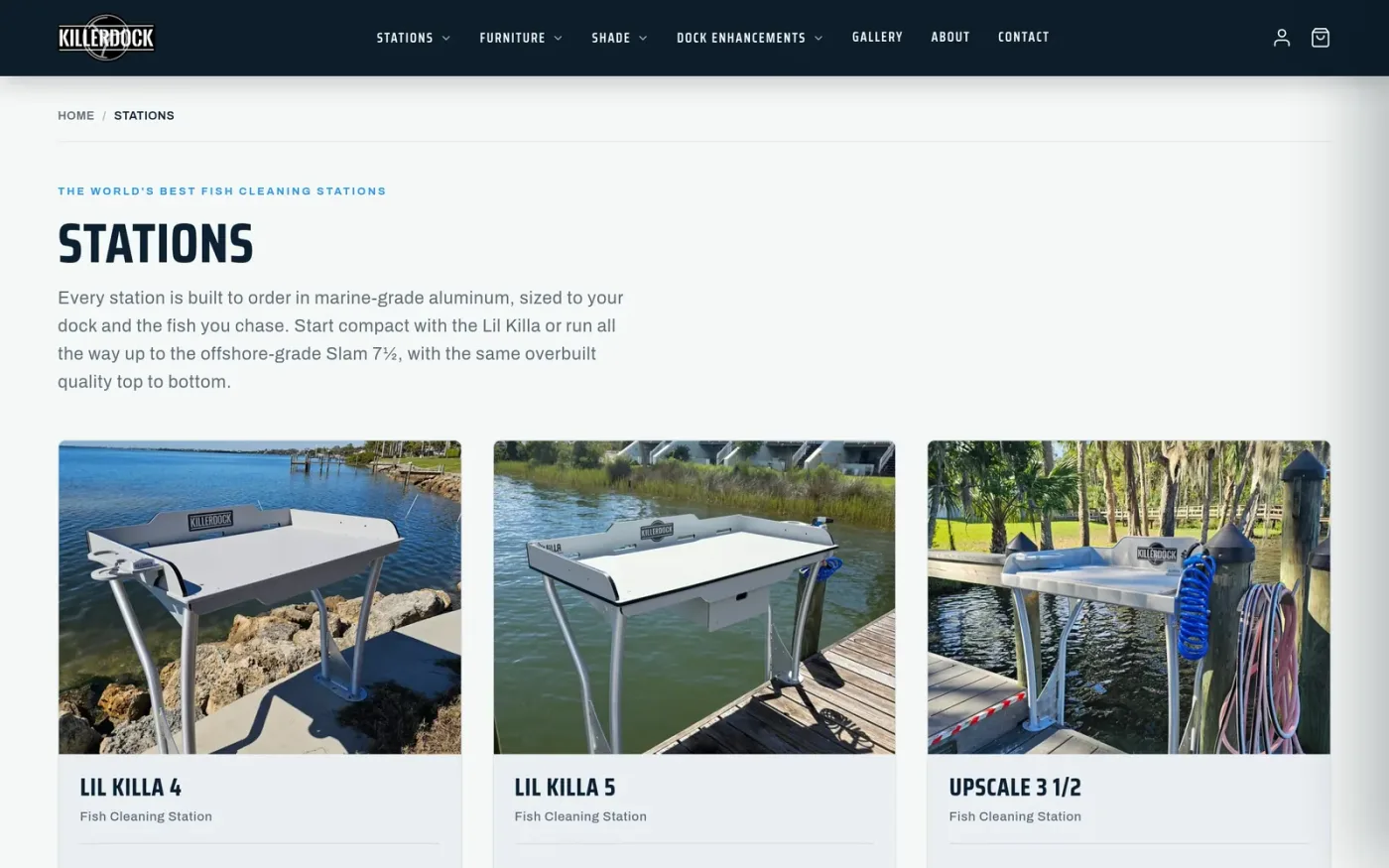
Outdoor catalogs are not apparel grids. Buyers browse by activity, species, boat, or dock. Specialty coffee buyers browse by process, tasting notes and how they brew. Made-to-order gear needs options that price correctly as they are chosen.
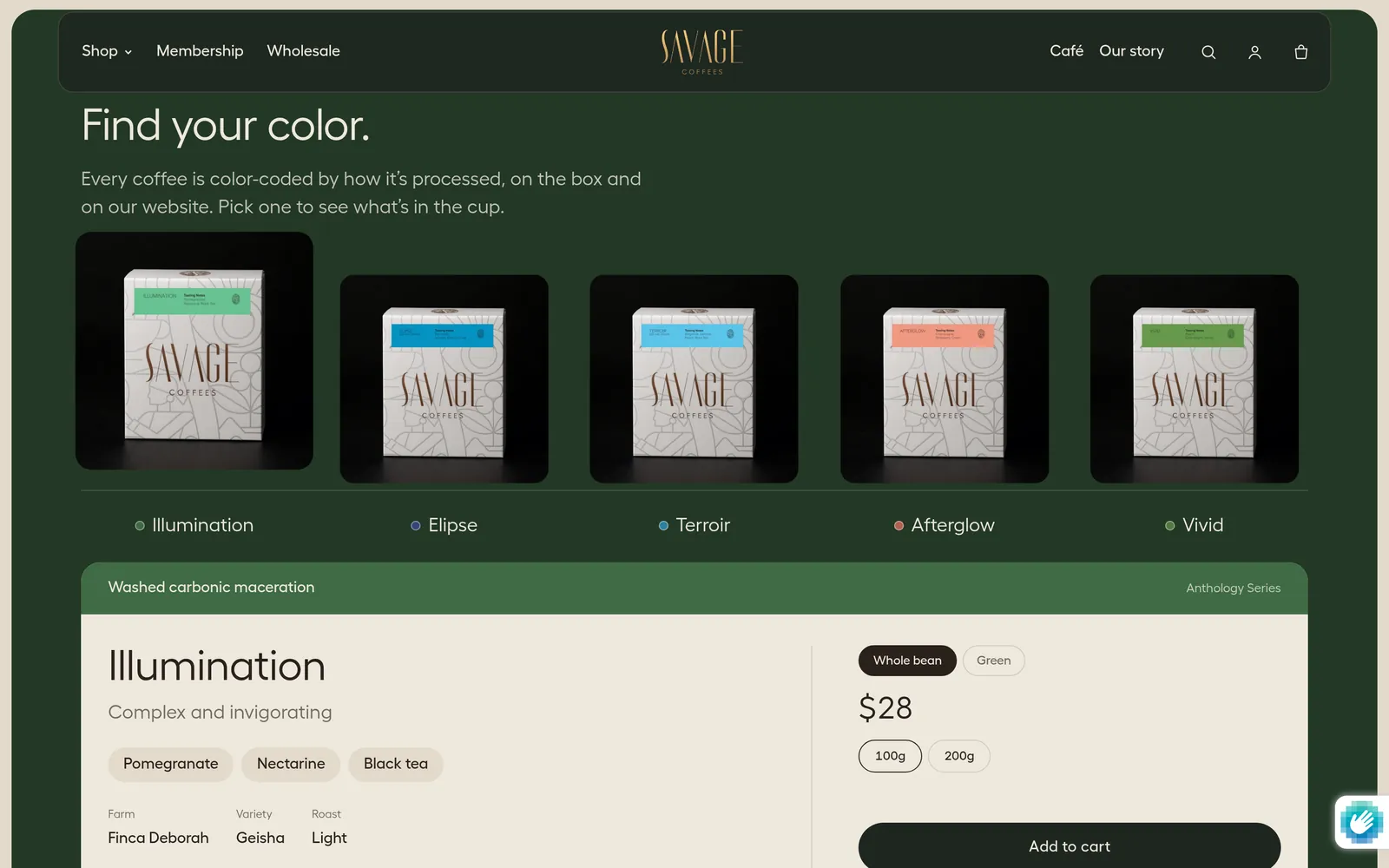
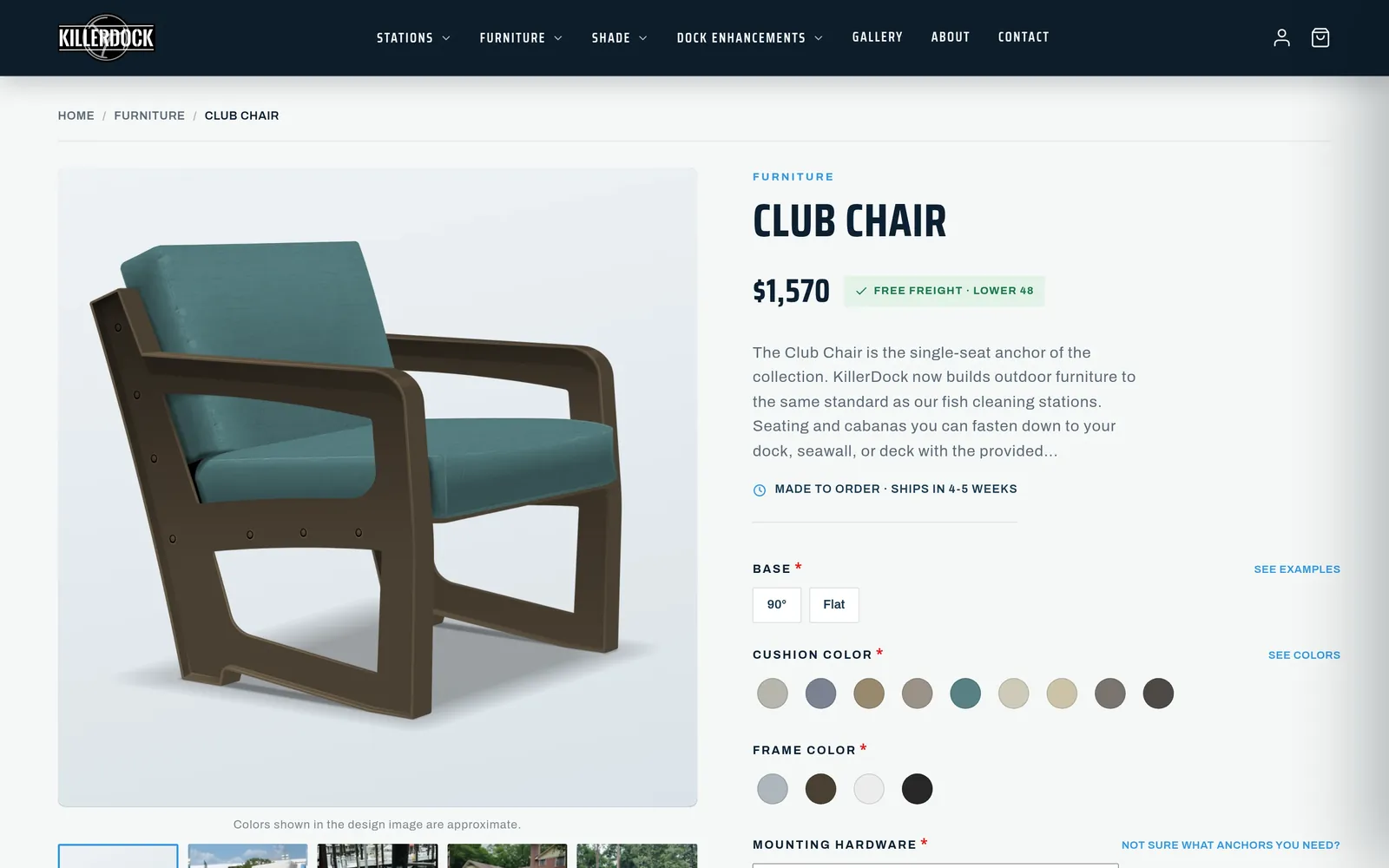
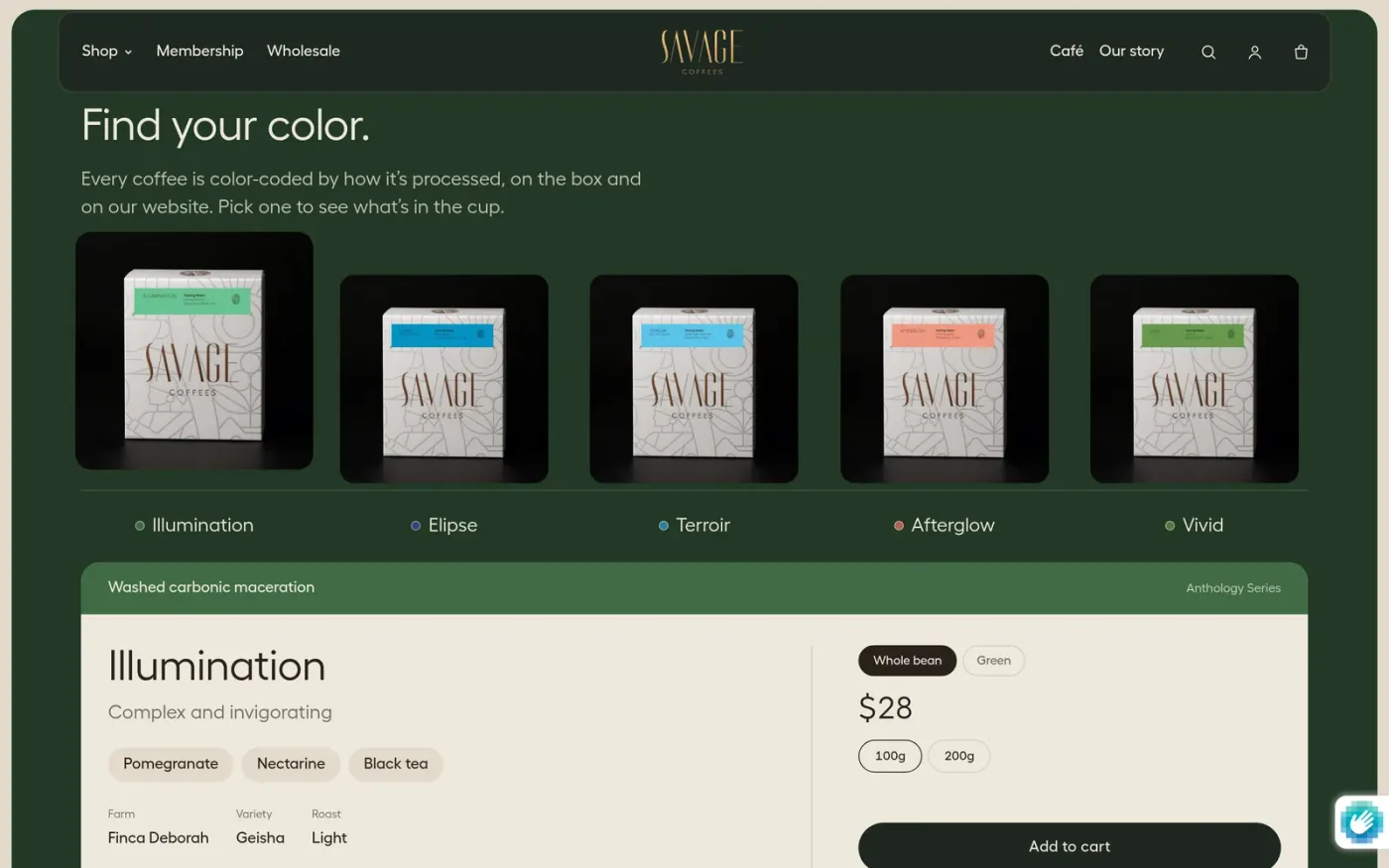
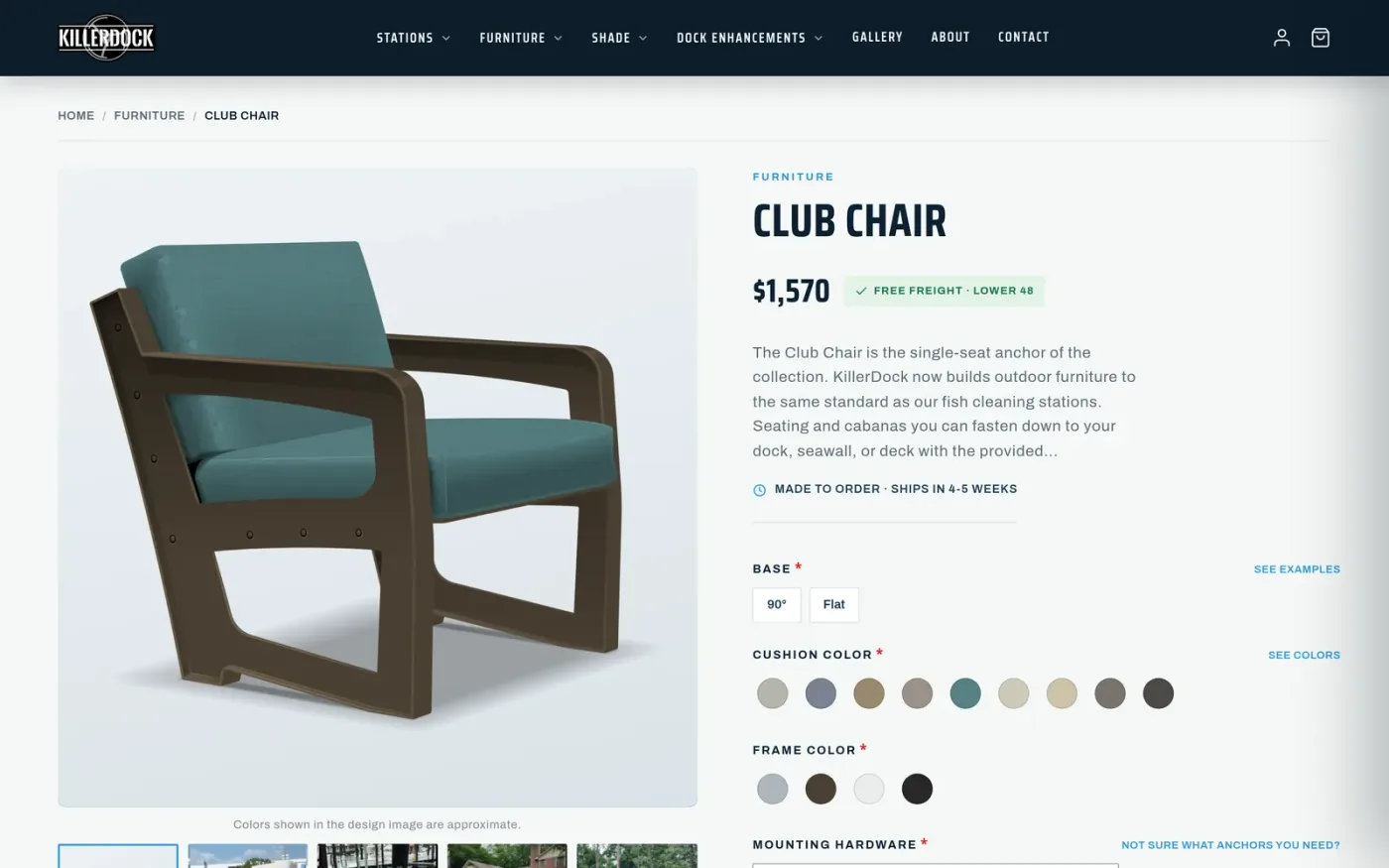
We build collections that follow how your customer shops, and guided paths for colors, sizes, add-ons and builds. Savage Coffees Find your color (in progress) lets buyers pick a process before they pick a bag. KillerDock furniture uses a color visualizer so buyers see the Club Chair before they order.
Checkout that works on a phone
Most of your buyers are not at a desk. They are in the driveway, at the ramp, or on the dock. Collections, cart and checkout have to work one-handed.
We set up shipping zones, tax and the apps your catalog actually needs. No kitchen-sink install. Just what it takes to take the order cleanly on a phone.
Moving an outdoor brand to Shopify
A migration is not a theme swap. Products, customers where possible, redirects, and a store that sells better than the one you left.
What moves:
- Products, variants and images
- Customers where the platform allows
- Redirects from every important old URL so search traffic lands on the new pages
- Sales tax, shipping rules and checkout paths that used to live in email or add-on plugins
Worked example: KillerDock
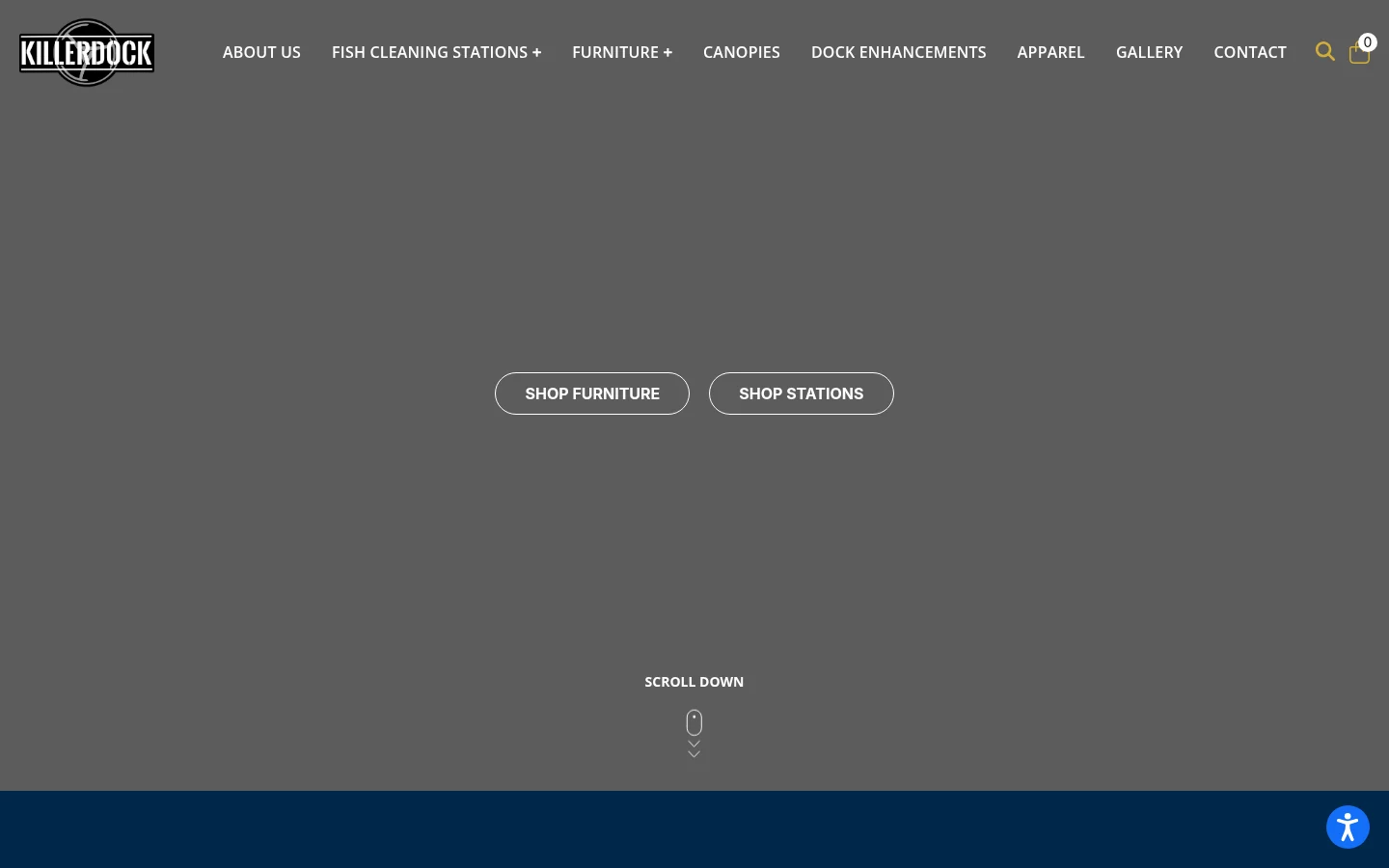
KillerDock builds fish cleaning stations and dock furniture out of marine-grade aluminum. The old site ran on WordPress, Elementor and WooCommerce. Payments and sales tax were spread across systems, and shopping a made-to-order station on a phone was a chore. We moved the store to Shopify, carried the products over, built configurable station and furniture pages with real footage, and redirected the old WordPress links to their new homes.
Inside the stores
A look at the pages buyers actually use: homepages, product pages, collections and guided paths from Savage Coffees (in progress), KillerDock, Epic Fishing and Everglades Fishing Co (in progress).
Astro, Webflow and Shopify
Flood Tide builds on three platforms.
Shopify
Ecommerce for outdoor product brands. Catalogs, configurators, single-product launches and migrations. This page.
Astro
Fast marketing sites for lodges, boat builders, guides and marine businesses. Most of the portfolio.
Webflow
Design-led marketing sites when the project calls for it.
We will tell you which fits what you sell. If Shopify is not the right call, we will say so.
How a Shopify build works
Same rhythm as the rest of Flood Tide: you know the price before we start, you see the homepage before we build the rest, and you always know what is next. Most builds take about 4 to 6 weeks.
We learn what you sell, who buys it and what platform you are on today.
Catalog size, migration needs and content shape the plan and the price.
You see the homepage at full fidelity before anything else gets built.
Once we lock the direction, product pages and collections follow it.
Production build, product migration when needed, redirects, analytics, QA on phones and desktops, and a clean launch.
Your Care Plan starts on day one.
Full walkthrough: how a build works.
Starting at $4,000. Most Shopify builds land around there.
Builds start at $4,000. Most focused Shopify stores land around that number when the catalog is clear and content is ready. Price moves with catalog size, migration work, configurators and how much content we create with you.
Every Shopify build runs on a Care Plan.
Care Plans are required. That is how we stand behind the store after launch.
$149 /month
Hosting, updates, monitoring, minor fixes and an hour of design and dev work.
$300 /month
Everything in Essential, plus three hours for new sections and ongoing improvements.
Timeline: most builds take about 4 to 6 weeks from kickoff to launch. That is typical, not a hard rule. If you have a product launch or a show coming, tell us the date and we will plan backward from it.
Shopify questions outdoor brands ask
How much does a Shopify store cost?
Starting at $4,000. Most focused builds land around that. The price depends on how many products and pages you need, whether we are migrating from another platform, configurators and how much content we create with you.
How long does a Shopify build take?
Most builds take about 4 to 6 weeks from kickoff to launch. The biggest variable is how quickly photos, product details and decisions come back from your side.
Can you migrate our WooCommerce store to Shopify?
Yes. We migrate products, customers where possible, and set up redirects so old URLs land on the new pages. KillerDock moved from WordPress, Elementor and WooCommerce to Shopify.
Can Shopify handle configurable or made-to-order products?
Yes. We build product pages where sizes, add-ons and options price as the buyer picks them. KillerDock stations and furniture use that pattern.
Is Shopify good for a single-product launch?
Yes. A single-product store puts the story, features and buy button on one focused path. Epic Fishing is a captain-designed kids' fishing backpack sold that way.
Can we manage products ourselves after launch?
Yes. You manage products, prices and inventory in Shopify. We set it up so that stays simple, and your Care Plan covers the rest of the site.
Tell us what you sell
Tell us what you sell, what platform you are on and what the store has to do. We will tell you what a Shopify build will take, and if Shopify is not the right call, we will say so.